The damp chill of a highway rest stop at 10:00 PM has its own distinct rhythm. Rain beads across your windshield, the low frequency hum of a high-voltage transformer vibrates through the soles of your boots, and your battery display sits uncomfortably at eight percent. You step out into the drizzle, reach for the heavy, cold cable, and glance at the pedestal display. A neat, glossy square beckons: Scan here to pay and charge.
You pull your phone from your jacket pocket, line up the camera viewfinder, and tap the notification banner that blooms across your screen. The webpage pops open instantly, painted in familiar shades of green, bearing the crisp logos of a major interstate power network. You punch in your credit card digits, authorization zip code, and expiration date, expecting to hear the satisfying metallic clunk of the charging contactors engaging inside the cabinet.
Nothing happens. The pedestal remains dark, the cable limp, and your phone displays a brief, spinning error wheel before dumping you onto a generic search page. You assume the pedestal is simply glitching on a cold night, unplug the connector, and pull into an adjacent stall to try again. Yet miles away, before you even select another stall, an automated banking alert quietly buzzes in your pocket: a four-figure authorization charge has cleared against your debit card from a retailer you have never visited.
You have just run straight into a counterfeit checkout overlay, an analog trap hiding in plain sight across public charging corridors nationwide.
The Analog Trojan Horse on Digital Hardware
Modern fast chargers represent some of the most sophisticated electrical engineering on American roads, capable of delivering hundreds of kilowatts in minutes. Yet their Achilles’ heel is not a software vulnerability inside the Linux kernel running the kiosk or an intercept on the cellular uplink. The point of failure is a twenty-cent square of adhesive vinyl slapped directly over the plastic casing by hand under the cover of darkness.
Security analysts refer to this specific variation of social engineering as quishing—QR phishing executed in the physical world. Think of it like a counterfeit slip of paper glued over the coin slot of an antique parking meter, except this slip redirects your mobile browser to a malicious server. The physical sticker neatly obscures the operator’s authentic QR code or sits directly below the screen with urgent lettering urging you to bypass standard card readers for a faster session.
When you scan this rogue barcode, your phone bypasses the native charging network app you already trust. Instead, it launches Safari or Chrome straight into a lookalike phishing site that mimics the charging brand down to the exact color hex codes and privacy policy footers. Because your guard is lowered by bad weather, road fatigue, or low-battery panic, you hand over live debit or credit credentials without a second thought.
- Kasa smart bulbs drop offline after storm blackouts exposing rooms to blinding glare
- iPhone Focus modes silence frantic work pings while preserving buzzing emergency family rings
- Xbox Series X exhaust vents trap dense grey dust triggering screaming fan whines
- TSA power bank rules confiscate bulging lithium chargers to prevent blistering cabin fires
- Amazon Echo speakers log accidental bedroom chatter until physical privacy switches silence microphones
The Anatomy of a Highway Stakeout
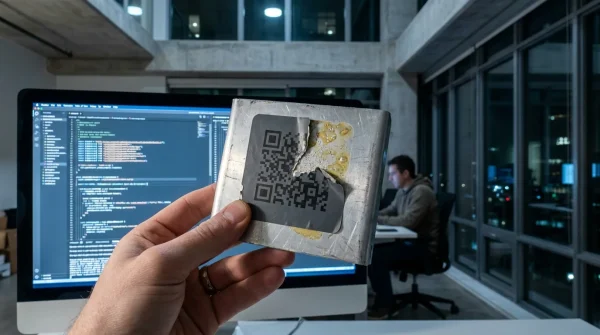
Marcus Vance, a 44-year-old fleet operations manager based outside Columbus, Ohio, uncovered this quiet epidemic while auditing expense reports for thirty electric utility vans. Over a single holiday weekend, three separate drivers reported identical unauthorized card transactions originating from rest stops along Interstate 71. When Marcus visited the charging hub with a pocket knife and a magnifying glass, he found identical matte-finish stickers pasted cleanly over the cast-aluminum faceplates of six high-power dispensers.
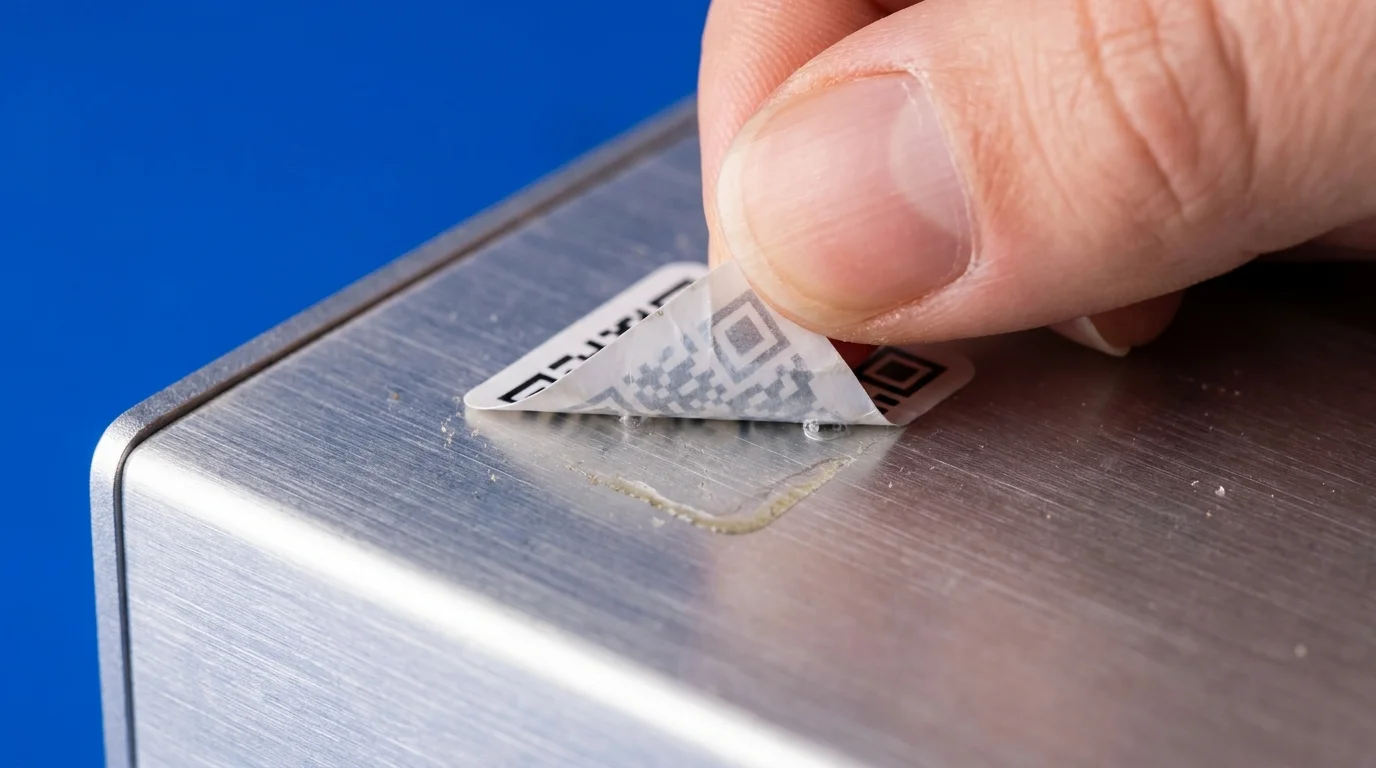
The criminal enterprise was surprisingly disciplined. Rather than using crude inkjet prints that bleed in the rain, the thieves used outdoor-rated vinyl stickers finished with a UV-resistant clear coat, precisely die-cut to match the dimensions of the original manufacturer decals. When Marcus peeled back the edge of a rogue sticker, the original, legitimate corporate QR code was still resting underneath, untouched and fully functional. The fake overlay had been harvesting card numbers for nearly seventy-two hours before anyone noticed the edge had begun to peel.
Evaluating Your Charging Profile
Counterfeit overlays prey on specific human behaviors, particularly the friction between device operating systems, fragmented charging apps, and cold weather. Identifying how you interact with public chargers helps establish personal defenses before you plug in.
For the Interstate Road-Tripper
You find yourself at remote highway plazas late at night, often battling freezing temperatures, low visibility, and range anxiety. You rarely have the local network’s proprietary app installed and prefer the frictionless convenience of guest checkouts.
Because you are in a rush to warm up inside the cabin, you are prime targets for rushed QR scans. Your priority should be using hardware-integrated RFID payment cards, dedicated mobile wallets (like Apple Pay or Google Wallet), or manufacturer-direct plug-and-charge handshakes that eliminate visual web portals entirely.
For the Urban Apartment Dweller
You rely on public curbside chargers or supermarket parking garage pedestals as your primary weekly fueling station. You use multiple competing networks throughout the week depending on parking availability.
Because these chargers sit unattended on city streets for days at a time, tamper rates run significantly higher. Make it an unbending rule to initiate charging sessions exclusively through pre-installed provider apps on your home screen, completely ignoring any graphic printed on the pedestal exterior.
Mindful Application at the Plug
Protecting your personal financial accounts from counterfeit checkout overlays requires slowing down the interaction by roughly ten seconds. You do not need technical certifications; you simply need to build physical muscle memory before unlocking your phone screen.
Run through this mechanical protocol every time you pull up to an unfamiliar public dispenser:
- Run your thumbnail across the graphic: Legitimate manufacturer QR codes are almost universally printed behind scratch-resistant polycarbonate screen windows or screen-printed directly onto aluminum housings. If you feel a raised sticker edge, peeling tape, or an air bubble beneath the graphic, do not scan it.
- Inspect the destination domain with intent: When your smartphone camera parses the code, read the full URL preview string before opening the link. If you are standing at an EVgo or Electrify America station, but the domain displays hyphenated variations, obscure top-level domains (.xyz, .top), or URL shorteners, cancel the scan immediately.
- Bypass the camera entirely: Launch your verified network app manually. Enter the dispenser ID number printed on the kiosk screen into the app search bar to start the charge from the inside out.
- Leverage the physical payment terminal: If you must pay without an app, use the physical tap-to-pay sensor with a mobile wallet. Contactless NFC tokens provide one-time dynamic encryption keys that make credential cloning virtually impossible.
Keep a minimal tactical toolkit in your center console: an RFID network card tied to an account funded only with a modest balance, and a small handheld penlight. Illumination is your greatest asset; skimming stickers are almost always applied in dimly lit perimeter stalls where shadows hide misaligned edges.
The Bigger Picture
The electrification of personal travel brings undeniable peace of mind—the smooth silence of the drive, freedom from volatile oil swings, and the simplicity of home charging. Yet as our energy systems merge with digital telecommunications, our threat models change form. Crime on the road is no longer a broken window or a siphoned fuel tank; it is a deceptive piece of sticky paper designed to quietly syphon your liquidity while your car takes on electrons.
When you take ownership of the physical interface in front of you, the road belongs to you again. By running a thumb over the surface, confirming the machine identity in your verified software, and refusing the convenience of unvetted links, you shut down the grift completely. Safe travel has always required vigilance; in our modern era, that vigilance simply begins at the faceplate of the plug.
The most dangerous cyber attacks in consumer transit do not break encryption; they simply exploit your impatience by printing a convincing sticker.
| Key Point | Detail | Added Value for the Reader |
|---|---|---|
| Physical Tamper Check | Scammers apply waterproof vinyl decals over original charger decals. | A two-second thumbnail scratch prevents direct exposure to malicious checkout overlays. |
| Domain Verification | Counterfeit portals mimic visual branding using lookalike web domains. | Reading the camera preview URL stops credential harvesting before entering personal data. |
| In-App Initialization | Typing the dispenser ID into an official app bypasses the web entirely. | Completely isolates your payment process from any exterior physical vandalism on the pedestal. |
| Tokenized Tap-to-Pay | NFC readers generate dynamic, single-use security tokens. | Protects your primary bank card numbers even if the physical card reader is somehow compromised. |
Frequently Asked Questions
Can a malicious QR code infect my smartphone with malware without entering card information?
Modern mobile operating systems isolate browser tabs via sandboxing, meaning simply scanning a code rarely injects spyware. The danger almost exclusively lies in credential harvesting, where you are tricked into manually typing sensitive payment details into a counterfeit web page.What should I do if I accidentally entered my card details on a fake charging portal?
Contact your card issuer immediately to lock the card and dispute pending transactions. Request a replacement card with a new account number, and check your banking portal for micro-authorizations from unverified merchant processors.Are tap-to-pay terminals on charging stations vulnerable to the same scam?
Physical card terminals are vulnerable to physical skimmers, but they are far rarer on EV chargers due to compact integrated enclosures. Using contactless Apple Pay or Google Wallet remains the safest payment method at the physical kiosk.Why don’t charging networks remove external QR codes completely?
Networks rely on QR codes to provide guest access for drivers who lack the specific brand application or an active account. While convenient, this open access route creates the exact physical attack surface that scammers exploit.How can I report a tampered charging station?
Take a clear photo of the pedestal number and the suspect sticker, then notify the host site manager (such as the gas station or retail store owner). Immediately call the customer support telephone number displayed on the charger’s digital screen to dispatch a field technician.