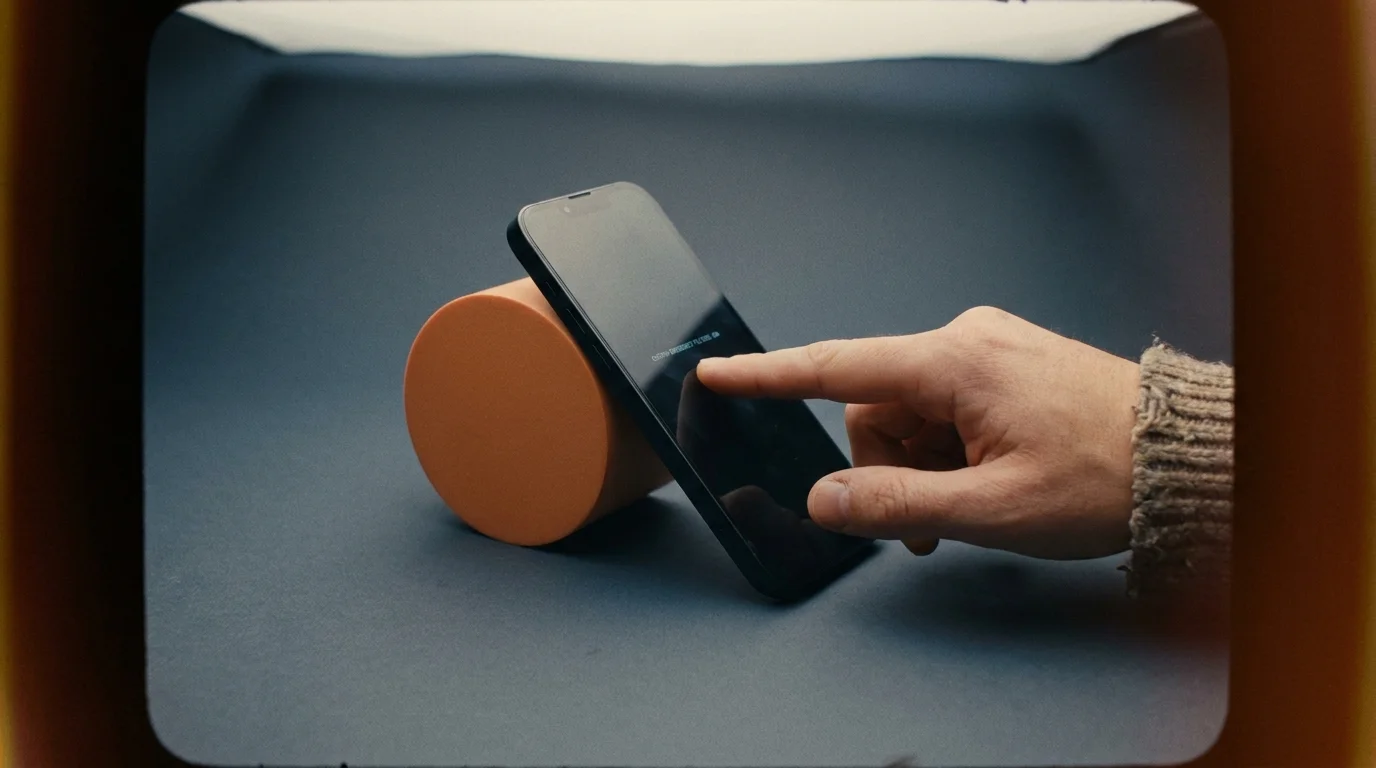
The dinner table smells of charred garlic and rosemary, the apartment radiator hisses softly against the chill of an autumn evening, and across the room, a glass screen lights up the dark mahogany sideboard. A double vibration rattles through the wood—two sharp, dry pulses that instantly spike your pulse before you can even reach for a fork. It could be an alert from your regional Slack channel demanding a late project tweak, or it could be your mother calling from three states away about an unexpected trip to urgent care.
Because you cannot tell the difference without looking, you stand up, abandon the warmth of your meal, and break your concentration once again. For years, the standard advice for digital burnout was a sledgehammer: flip the mechanical mute switch on the side of your casing, engage Do Not Disturb, and accept total disconnection. But total disconnection in modern domestic life feels reckless. You stay tethered to the relentless tide of corporate chatter simply because you cannot stomach the guilt of missing an actual family crisis.
Your smartphone should not behave like an open window on a bustling freeway, nor should it behave like a sensory deprivation tank. It should behave like a trusted porch with a solid oak door, letting the voices of those you cherish step inside while keeping the wandering salesmen outside on the curb. Learning how to carve out this middle ground on your device is the difference between chronic nervous exhaustion and restorative quiet.
The Gatekeeper Fallacy: Shifting from Walls to Airlocks
Most people treat notification controls as a simple binary: either the world has total access to your attention, or nobody does. This all-or-nothing mindset is why Do Not Disturb often fails within forty-eight hours of setup. You turn it on, feel an creeping wave of unease about whether your partner can reach you from the grocery store or if your child’s school nurse is trying to dial through, and you turn it right back off, re-submitting to the noisy chaos of group texts and automated delivery updates.
The breakthrough lies in understanding that modern iOS Focus modes are not blunt walls; they are carefully calibrated airlocks. Instead of asking how to shut out the world, the question is how to build an explicit pathway that forces low-priority chatter to wait while allowing authentic human vulnerability to pass through effortlessly.
Consider Sarah Lin, a 38-year-old architectural draftsman based outside Seattle. Caught between demanding project sprints and managing care logistics for her father after his hip replacement, she found her workday fractured into dozens of startled micro-checks. Her firm’s project channels fired messages every four minutes, yet she kept her phone completely unmuted because her father’s care aides occasionally needed immediate answers. After configuring a strict emergency bypass channel coupled with an allowlisted Focus profile, she reclaimed six uninterrupted hours of creative drawing every day without missing a single check-in from her father’s physical therapist.
- Xbox Series X exhaust vents trap dense grey dust triggering screaming fan whines
- TSA power bank rules confiscate bulging lithium chargers to prevent blistering cabin fires
- Amazon Echo speakers log accidental bedroom chatter until physical privacy switches silence microphones
- Samsung Scene Optimizer triggers grainy digital noise across dim evening camera shots
- Starbucks Wi-Fi portals intercept unencrypted smartphone logins triggering drained battery bars
Calibrating the Channels: Profiles for Real Life
You cannot use a single setting to govern an entire life. Your cognitive demands during a morning strategy session are radically different from your emotional presence while reading a bedtime story. By slicing your day into distinct environmental profiles, your phone adapts to your life rather than dictating it.
The Deep Production Envelope
During the hours when your mind must produce deep, sustained analytical work, every visual ping degrades your cognitive retention. Here, your Focus mode should silence all applications without exception, keeping the screen black and the haptic motor still. You configure your breakthrough channel exclusively for immediate family members or school emergency lines, muting corporate email, project hubs, and neighborhood social groups entirely.
By setting your notification delivery to an evening summary, you allow the algorithms to collect low-stakes chatter behind the scenes, ensuring that non-urgent messages queue silently until you intentionally sit down with a cup of tea to review them.
The Evening Hearth Setup
When the workday concludes, the dynamic inverts. You no longer need to protect your intellectual bandwidth from professional noise; you need to protect your emotional presence from the lingering tendrils of your desk. During the evening, your Focus mode should allow incoming texts and direct calls from friends and family, but strictly sever any connection to enterprise communication suites, customer ticketing software, or broadcast marketing alerts.
This prevents that subtle, subconscious eye-drift toward your phone whenever an icon blinks. The screen stays dark unless someone whose voice you recognize is actively looking for you, returning dinner conversations to an unbroken rhythm.
The Tactical Setup: Carving Out Your Breakthrough Channels
Establishing this peace of mind requires five minutes of surgical precision inside your device settings. You do not need third-party apps or cumbersome workarounds; the architecture already exists beneath your fingers.
- Open the Contacts app, navigate to your most critical family members, tap Edit in the upper right corner, select Ringtone, and toggle Emergency Bypass on. This ensures their voice calls will sound aloud even if the hardware mute switch is engaged or your phone is set to total silence.
- Open Settings, navigate to Focus, and tap the plus icon to build a custom profile labeled ‘Sanctuary’ or ‘Deep Evening’.
- Under the People section, select Silence Notifications From if you want an open door with a few muted distractions, or choose Allow Notifications From to build an airtight whitelist containing only your inner circle.
- Ensure the Allow Repeated Calls toggle is flipped on within your Focus options. This serves as an analog fail-safe: if someone outside your primary allowlist calls twice within three minutes, the second ring cuts through the digital veil, signaling a genuine urgent situation.
- Navigate to Options within your Focus settings and turn on Hide Notification Badges. This removes the frantic little red dots from your home screen icons, preventing visual triggers when you briefly check the time.
Once these toggles are in place, the mental tax of device ownership drops significantly. You no longer wonder whether an unexpected buzz is an automated email blast from a clothing brand or an urgent query from home. You know with absolute certainty that if the phone rings out loud, it truly matters to your heart.
Reclaiming Your Evening Without Abandoning the Pack
Our nervous systems were never engineered to carry the collective anxieties, demands, and promotional flyers of eight billion people at every second of the day. For the past decade, we have lived through an accidental experiment in hyper-connectivity, one that traded our sustained attention for perpetual, low-grade hypervigilance.
Setting intentional boundaries on your hardware is not an act of selfish withdrawal; it is an act of preservation. When you stop your pocket from vibrating for the mundane, you preserve the emotional capacity needed to answer with warmth, clarity, and immediate presence when someone you truly love actually needs you.
True digital peace is not turning off the world, but deciding who holds the key to your front door.
| Configuration Layer | Technical Mechanism | Real-World Mental Benefit |
|---|---|---|
| Emergency Bypass | Individual Contact Card Toggle | Guarantees aging relatives or children reach you even during hardware silence. |
| Allow Repeated Calls | Focus Breakthrough Protocol | Acts as a natural panic-button filter for unexpected true emergencies. |
| Badge Suppression | Focus Screen Options | Stops reflexive app-opening caused by visual red notification counters. |
Frequently Asked Questions
Will emergency bypass drain my battery faster throughout the day?
No, emergency bypass simply tells the operating system to ignore software mute rules when an incoming connection matches that specific contact card; it consumes zero extra background power.What happens if someone calls through WhatsApp or a third-party app instead of cellular?
Third-party voice calls adhere to the general application rules in your Focus mode, so you must specifically allow notifications from that app if your family communicates primarily through overseas messaging platforms.Can callers tell that I have them silenced when a Focus mode is active?
If you enable Focus Status, supported messaging apps will display a subtle note saying you have notifications silenced, while still giving them the option to send an urgent breakthrough text if configured.Does turning on a Focus mode on my phone automatically silence my paired watch?
By default, yes; Apple devices share Focus states across your entire iCloud account, though you can disable ‘Share Across Devices’ if you prefer your watch to maintain a separate alert profile.Will setting a whitelist mute alarms I set for the morning?
No, your clock app and native sleep schedules bypass standard Focus filters, ensuring your morning wake-up alarms will always ring aloud as scheduled.