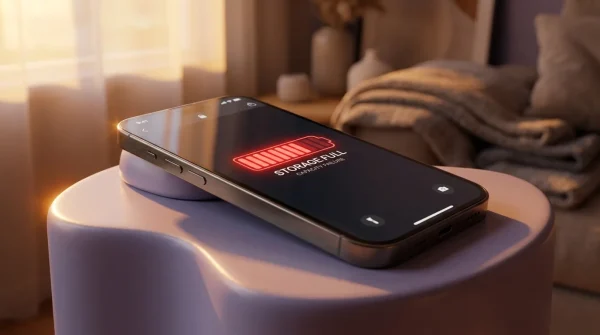
The cool aluminum rail of your phone rests in your hand under the low kitchen lamp, but the glass screen burns with a subtle, feverish warmth. By two in the afternoon, the battery icon in the upper corner shifts from pale white to a harsh amber, warning you that the charge has tumbled below twenty percent before your commute has even started. You instinctively reach for the braided charging cord curled beside your keyboard, feeling that familiar knot of mild daily annoyance.
Carrier ads flood your feeds with polished renders of titanium bezels, five-fold periscope lenses, and promises of zero-down promotions that mask twenty-four months of high bill commitments. The digital storefront whispers that your two-year-old hardware is tired, slow, and begging for retirement. But when you swipe between home screens, the animations still glide, the dual cameras still snap crisp family portraits, and the processor handles every messaging app without stuttering.
The issue sitting in your palm is not outdated silicon; it is simply a pouch of tired chemical paste. Lithium-ion chemistry degrades by nature, drying up like an old sponge until it feels like your device is breathing through a pillow during everyday tasks. Replacing the entire computer because the fuel tank developed a leak is the costliest trap in modern consumer electronics.
The Disposable Phone Illusion and the Fuel Tank Reality
Modern smartphone marketing wants you to view mobile tech as a single monolithic block of glass and circuitry that expires in unison. When your screen dims unexpectedly in bright sunlight or your battery health meter drops into the mid-seventies, the operating system throttles peak performance to protect the device from sudden brownouts. This manufactured sluggishness feels like software obsolescence, but it is actually a safety net thrown over a starving circuit board.
Think of your device like a classic sports sedan whose original spark plugs have begun to foul. You would never surrender the title to a pristine automobile simply because the tires wore thin or the oil blackened over forty thousand miles. Yet when a handset battery hits its eight-hundredth charge cycle, carrier trade-in programs urge you to sign away thirty-five dollars a month for three years instead of addressing the single component designed to wear down.
The mathematical reality is stark when you lay out the ledger. A brand-new base flagship commands eight hundred dollars before taxes, activation surcharges, and mandatory insurance riders, whereas a factory-spec lithium replacement costs exactly ninety-nine dollars at an authorized repair bench. That ninety-dollar exchange buys back the exact compute power, thermals, and endurance your chassis possessed on day one, stretching your original investment into a multi-year masterclass in thrift.
- Bitwarden mobile vaults replace paid subscription managers while preventing drained battery bars
- Perplexity mobile app automates daily research workflows while rescuing drained battery bars
- Steam Frame headset debuts ultra-light chassis hardware challenging standalone mobile rivals
- DirecTV satellite networks cut legacy standard feeds forcing rapid consumer hardware upgrades
- Flock safety cameras expose wireless hardware vulnerabilities prompting urgent nationwide firmware patches
Lessons from the Repair Bench: Marcus’s Triage Rule
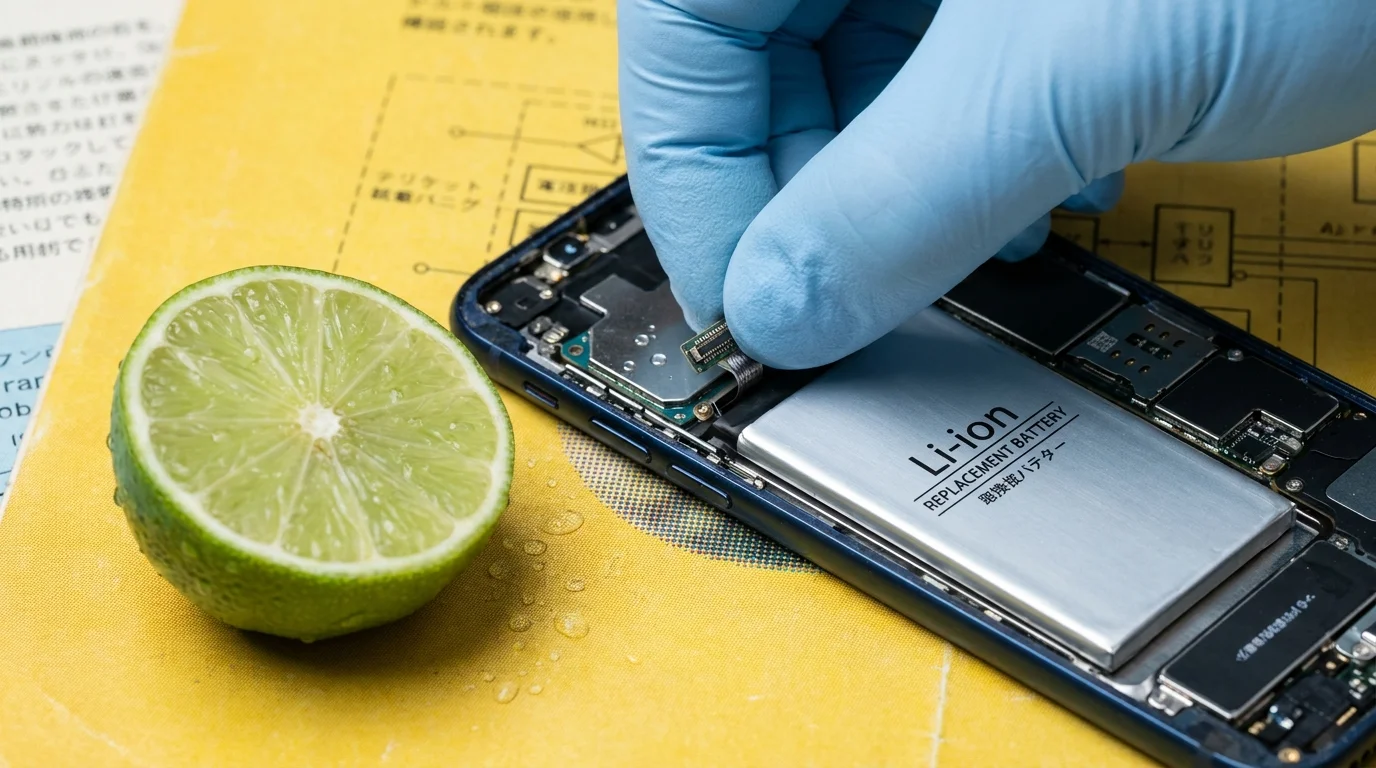
Marcus Vance, a forty-two-year-old independent electronics technician in Columbus, Ohio, watches dozens of perfectly capable phones pass across his rubber anti-static work mat every week. He keeps an illuminated microscope turned toward micro-soldering leads and a heat gun idling beside blue silicone trays. “People walk through my door convinced their processor has gone bad because Instagram takes three seconds to refresh,” Marcus says, gently slicing through the perimeter adhesive of a midnight-blue chassis with a nylon pry pick. “Then I show them their battery telemetry: six hundred charge cycles, 76 percent capacity, and maximum capacity disabled due to unexpected voltage drops. We install a fresh OEM cell, bolt the shield plates back down, and twenty minutes later they hold a phone that runs at benchmark speeds again for less than their monthly streaming budget.”
Tailoring Your Power Strategy: The Three Device Profiles
Deciding between a fresh chemical cell and an outright hardware trade depends on how your daily habits stress the physical phone. Not every user puts the same strain on lithium reserves, and matching your profile prevents premature spending.
The Remote Road Warrior: You tether your laptop during cross-town train commutes, navigate unfamiliar highways via GPS under a blistering sun, and constantly field voice calls on Bluetooth. Your battery undergoes rapid thermal spikes that degrade cathode integrity twice as fast as casual use. For you, a fresh ninety-nine dollar replacement eliminates the constant hunt for wall plugs and restores the high peak draw needed for sustained hotspot speeds.
The Light Day Tripper: Your screen time hovers under three hours a day, consisting of grocery orders, podcast streaming, and evening messages to friends. You do not demand sustained graphic processing, but you want your device to reliably hold its charge overnight on the bedside stand. Replacing the worn cell ensures that standby drain stays negligible, preventing those startling morning moments where you wake up to a dead alarm clock.
The Hand-Me-Down Steward: You plan to pass your current handset down to a teenager or a retired parent while keeping your family tech expenses lean. Handing over a phone with a degraded power cell creates immediate frustration and safety headaches for light users who forget to plug in midday. Investing in a factory battery service before transferring ownership gives the recipient a truly fresh device experience that lasts another two to three years without carrier contracts.
Mindful Restoration: The 5-Step Battery Revitalization Plan
Reviving your device requires clear decisions rather than impulsive storefront trade-ins. Follow these deliberate steps to verify whether your hardware qualifies for a chemical refresh.
- Inspect your hardware status under Settings > Battery > Battery Health & Charging; if the maximum capacity reading registers below 80 percent or shows a service notice, your internal cell is starving the logic board.
- Back up your photos, messages, and authenticator keys to an encrypted physical drive or personal cloud space prior to handing the handset across a service counter.
- Schedule an appointment at an official retail service bar or certified repair provider to guarantee the installation of an authentic component paired to your motherboard serials.
- Run your renewed phone through a single calm calibration cycle: let it reach 100 percent on a standard 12-watt charger, leave it plugged in for sixty extra minutes, and then use it down to five percent before recharging.
- Adjust your daily background refresh settings to prevent stray news alerts and shopping trackers from wasting your newly installed capacity.
The Tactical Battery Toolkit: Avoid rapid 30-watt chargers that pump excessive heat into the frame; instead, use a steady 12-watt brick for desk use. Maintain charging ambient temperatures between 60°F and 72°F. Keep charge levels balanced between 20 percent and 80 percent throughout the standard workweek whenever possible.
The Freedom of the Retained Device
Stepping off the consumer upgrade treadmill produces a quiet, grounding satisfaction that carrier marketing cannot replicate. When you refuse to finance a slab of titanium for a thousand dollars, you strip away an unnecessary financial tether and reclaim control over the objects you own. Your handset stops being an active monthly liability and transforms back into what it was always meant to be: a durable, reliable tool that quietly serves your life.
Carrying a phone past its third birthday with a fresh heart inside its frame changes your relationship with consumer technology. You begin to value longevity over cosmetic novelty, discovering that genuine utility comes from hardware that simply works when you pick it up, without demanding another installment on your credit card.
“True consumer tech mastery is not knowing which flagship to buy, but knowing exactly which ninety-nine dollar part prevents you from buying one at all.”
| Key Point | Detail | Added Value for the Reader |
|---|---|---|
| Cost Comparison | $99 battery swap vs. $800+ minimum flagship retail price. | Saves upwards of $700 in immediate cash flow while avoiding carrier financing. |
| Processing Speed | Restores full peak performance profiles automatically. | Eliminates the micro-stutters and throttling caused by degraded voltage rails. |
| Hardware Life | Adds 24 to 36 months of dependable service. | Maximizes the return on your original investment without generating electronic waste. |
Frequently Asked Questions
Will a replacement battery erase the photos and messages stored on my device?
Standard battery service does not wipe your local storage, but technicians routinely advise making a complete backup beforehand to guard against rare bench diagnostics errors.Can third-party repair kiosks install the exact same battery quality as official channels?
While skilled shops use reliable parts, only certified providers possess the proprietary configuration software required to eliminate the ‘Unknown Part’ system prompt on modern devices.Does a new battery restore the phone’s original water and dust resistance rating?
Certified service centers replace the perimeter display adhesive gasket during reassembly, restoring the protective seal that naturally dried out over the phone’s first two years of life.Why does my phone still feel warm during use right after a battery service?
For the first forty-eight hours, the operating system runs background index protocols and power calibration tasks that generate mild heat before stabilizing into optimal efficiency.How do I know if my slowdowns are caused by software rather than the power cell?
Check your Battery Health menu; if peak performance capability is reported as normal and capacity sits above 85 percent, your lag stems from storage bottlenecks rather than chemical degradation.