The pre-dawn light inside Terminal 3 hums with the dull vibration of industrial blowers and rolling luggage wheels. You place your gray canvas backpack onto the rubberized conveyor, watch it slide through the vinyl flaps of the scanner, and wait on the other side with bare socks pressed against the cold linoleum. It is a choreography you have rehearsed dozens of times without incident.
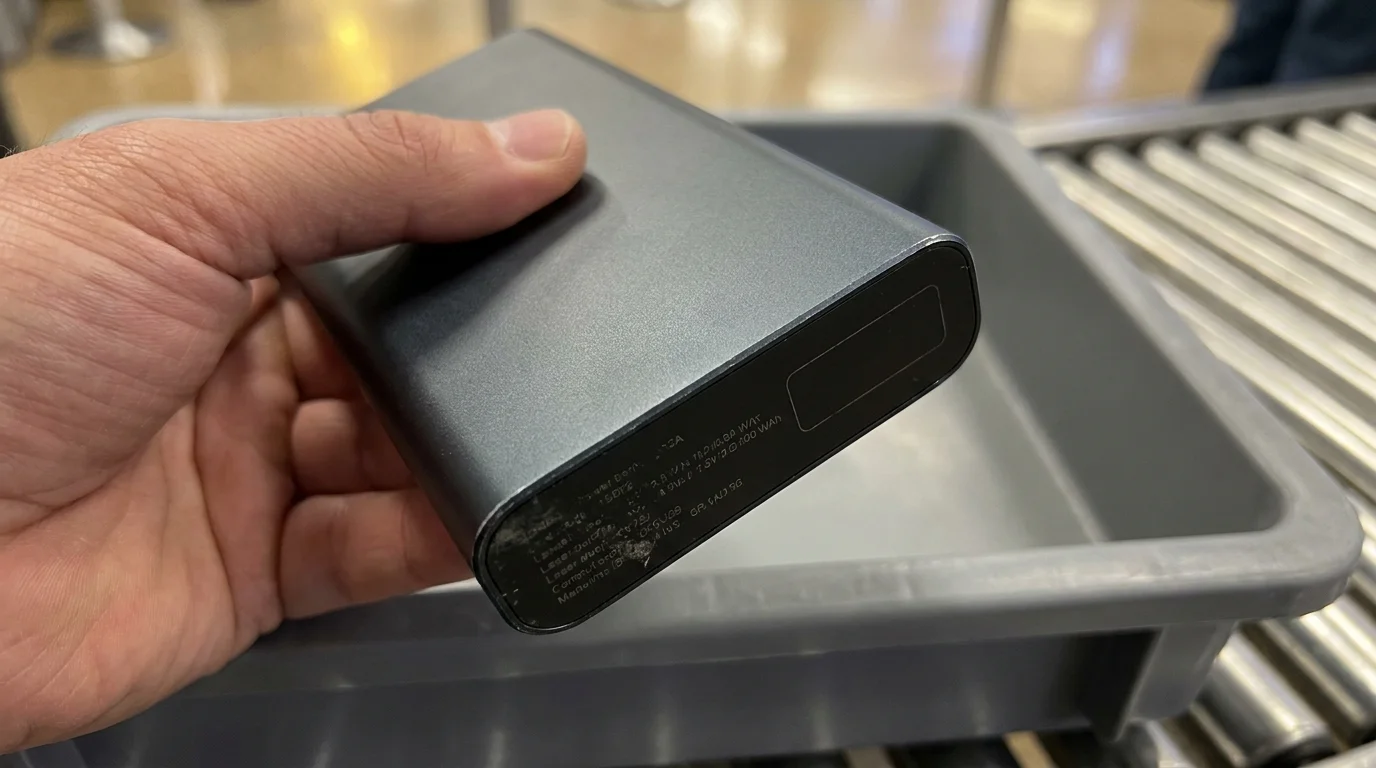
Then the bin halts. A blue-gloved hand reaches into the tray, sets aside your laptop sleeve, and pulls out your favorite matte-black charging brick. The screener rotates the device beneath the harsh strip lights, tilts it at an angle, and rubs their thumb across the back panel. The tiny silkscreened text—rubbed smooth by two years of bouncing against car keys and hotel nightstands—is completely gone.
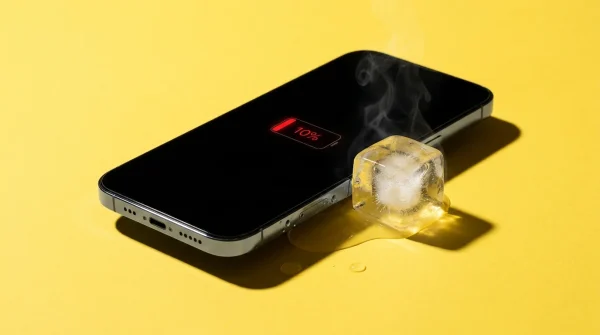
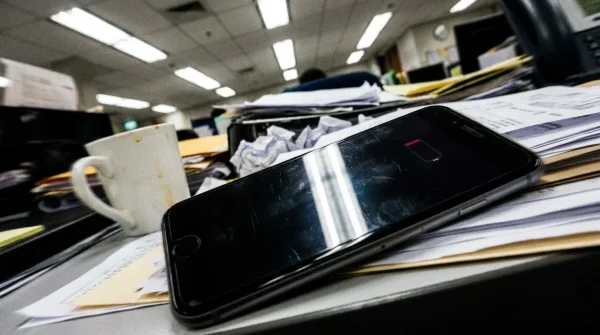
Without a word, the officer drops the power bank into a clear acrylic bin beside the conveyor podium. Your lifeline is abruptly gone, and the transatlantic flight ahead suddenly looks uncomfortably long. The panic that follows is rarely about the sixty dollars you spent on the accessory; it is about the cold realization that your boarding pass, your arrival maps, and your translation apps are now trapped on a phone showing fourteen percent battery.
Airport security agents do not confiscate power banks out of spite or arbitrary policy. They do it because you are not carrying an accessory; you are carrying a compact chemical reactor that, when unstable, produces fires that water cannot easily quench.
The Invisible Threshold: Why Milliamp-Hours Fail You
Consumer electronics manufacturers sell power packs using milliamp-hours (mAh) because bigger numbers move products off retail shelves. A box stamped with “20,000” feels twice as potent as one stamped with “10,000.” Yet aviation safety regulators around the globe—from the Federal Aviation Administration (FAA) to the International Civil Aviation Organization (ICAO)—do not measure hazard by current over time. They measure pure energy density in watt-hours (Wh).
Think of an unpressurized cargo hold or a crowded cabin as an oxygen-rich chamber where space is tight. If a defective battery cell punctures or experiences internal short-circuiting, it enters a state called thermal runaway. It vents boiling gases, produces self-sustaining flames, and hits temperatures exceeding 1,100 degrees Fahrenheit in seconds. In the cabin, crew members can isolate that fire in a containment bag; in the belly of the plane, it can bring an aircraft down.
Because the conversion between milliamp-hours and watt-hours depends on the internal voltage of the lithium cells (typically 3.7 volts for pouch-style lithium-polymer), a seemingly harmless pack can easily cross the regulatory border. When security personnel inspect your gear, they are searching for a single stamped rating: 100 watt-hours or less. If that number is missing or scratched away, the screener has no legal way to verify the chemistry inside, meaning the battery stays on the ground.
- Pixel Camera app defaults ruin low-light portraits with harsh sharpening and noisy grain
- Hotel Wi-Fi networks leak private browsing traffic without instant encrypted DNS toggles
- Kanto monitor stands lift slumping neck angles while taming messy desktop cords
- iOS App Store free trials trap unsuspecting users in predatory weekly recurring charges
- Refurbished iPad Pro deals expose disguised dead screen pixels under five-minute diagnostic tests
A Lesson from the Ramp: Marcus Vance’s Reality Check
Marcus Vance, a 48-year-old hazardous materials ramp auditor based out of Chicago O’Hare, sees the fallout of unlabelled lithium cells every single afternoon. “Passengers assume TSA is nitpicking their electronics,” Vance explains, resting a clipboard against a metal freight dolly. “They do not see what happens when a no-name generic brick gets wedged beneath an armrest hinge and begins spitting white smoke while taxiing on the tarmac.”
Vance points out that airline rules permit up to two larger spare batteries—rated between 101 and 160 watt-hours—provided you receive explicit airline approval at the check-in desk before security. But that grace disappears entirely when the rating label is unreadable. “If my officers cannot verify the watt-hour specification in three seconds, federal protocol treats that battery as an uncertified hazard. We cannot run an engineering test at the podium. If it cannot declare itself, it goes in the disposal drum.”
Categorizing Your Gear: The Three Critical Travel Layers
Navigating airline battery limits requires understanding where your specific gear sits on the energy spectrum. Not every traveler carries the same loadout, and knowing your hardware profile protects you from terminal surprises.
For the Ultra-Light Mobile Commuter
If you carry a pocket-sized 5,000mAh or 10,000mAh power bank to keep your smartphone topped up between coffee shops, you are well clear of the danger zone. At nominal 3.7-volt cell operation, a 10,000mAh brick delivers roughly 37 watt-hours—barely more than a third of the standard checkpoint limit. Your primary risk is physical wear: pocket friction rapidly polishes off cheap ink markings on budget plastic shells.
For the Digital Nomad and Laptop Worker
Those traveling with high-output bricks capable of powering a MacBook Pro or Dell XPS operate at the thin edge of the law. The industry standard maximum for airline carry-ons is 26,800mAh, which translates precisely to 99.16 watt-hours. Exceeding that figure by even a tiny margin pushes the unit into restricted territory. If you buy a massive 30,000mAh device off an online marketplace, you are carrying roughly 111 watt-hours; taking it aboard without prior carrier clearance violates federal regulations.
For Content Creators and Camera Crews
Videographers carrying V-mount batteries, drone packs, or gimbal power supplies inhabit the complex 100-to-160Wh regulatory bracket. These power packs can keep cine-cameras rolling for half a day, but they require strict carrier sign-off, protective taped terminals, and a strict limit of two spare units per traveler. Loose terminals rattling against metal zipper teeth inside a dark carry-on bag can create an arc flash capable of igniting nylon fabric.
Mindful Preparation: The Checkpoint Survival Protocol
Preparing your power banks for airport transit should be as routine as sliding your passport into a dedicated pocket. With three deliberate habits, you can eliminate the anxiety of losing your charging gear at the x-ray belt.
Before you pack your bags, calculate your equipment’s true energy footprint using the foundational aviation math. Multiply your pack’s milliamp-hour rating by its internal nominal voltage (almost always 3.7V unless specified as lithium iron phosphate), then divide by 1,000. A 20,000mAh pack reveals its rating instantly: (20,000 × 3.7) ÷ 1,000 = 74 watt-hours.
- Seal the silkscreen print: Cut a strip of heavy-duty transparent packing tape and smooth it firmly over the factory text on your power bank the day you unpack it. This prevents skin oils and friction from erasing the critical ratings.
- Cover exposed copper pins: Place non-conductive electrical tape across high-output terminals or store the battery inside its original neoprene sleeve to prevent accidental short-circuits against keys or coins.
- Never pack spares in checked luggage: All loose lithium-ion batteries must remain in the passenger cabin where fires can be spotted and extinguished immediately.
- Screenshot the manufacturer spec sheet: Save an offline PDF of your battery’s technical product manual on your phone. If a regional screener questions faint exterior text, an official manufacturer document showing the exact model number can save your hardware.
If you find yourself holding a completely unlabelled pack the night before a departure, leave it on your home desk. Purchasing a modest, well-documented replacement at the airport kiosk is vastly cheaper than enduring twelve hours of travel with a dark screen and an empty battery bar.
The Calm of Operational Redundancy
Traveling comfortably in the modern era is rarely about carrying more gear; it is about eliminating friction points before they materialize. When you step up to a security checkpoint knowing the precise electrical boundaries of the items in your bag, the standard airport anxiety simply dissolves.
You no longer stand by the roller belts hoping an officer overlooks your gear. Instead, your batteries are labeled, taped, and tucked away with quiet competence. You board your flight with your devices charged, your power banks fully cleared, and the quiet confidence that your tools will work the moment the plane touches the runway.
“Aviation safety standards do not negotiate with unreadable print; clarity on the ground is what keeps the cabin calm at forty thousand feet.”
| Key Point | Detail | Added Value for the Reader |
|---|---|---|
| The 100Wh Ceiling | Under 100 watt-hours requires no airline permission; 101-160Wh requires gate approval. | Helps you purchase compliant 26,800mAh packs and avoid automatic confiscations. |
| The Wh Formula | Watt-hours = (Milliamp-hours × Volts) ÷ 1,000. | Allows you to convert any mystery power brick rating in thirty seconds. |
| Legibility Mandate | TSA screeners must physically read the manufacturer ratings on the casing. | Prevents you from losing expensive charging bricks due to simple pocket friction wear. |
| Checked Bag Ban | Loose power banks are federally prohibited inside cargo holds. | Protects you from flight delays, luggage confiscation, and catastrophic cargo fire risks. |
Frequently Asked Questions
Can I carry my power bank in my checked suitcase if it is turned off?
No. Federal aviation guidelines strictly prohibit loose or spare lithium-ion power banks in checked baggage regardless of power state. They must travel inside your carry-on luggage inside the climate-controlled cabin.What is the maximum milliamp-hour size allowed without special airline permission?
For standard 3.7-volt consumer lithium packs, 26,800mAh is the functional legal limit. This yields approximately 99.16 watt-hours, keeping your device just beneath the strict 100Wh security threshold.What should I do if the factory text on my power bank has worn off completely?
Do not bring it to an airport checkpoint. Screeners are instructed to treat unreadable batteries as non-compliant hazards. Leave the worn battery at home and travel with a brick that features clear, legible stamps.Can clear tape over the manufacturer label raise suspicion at security?
No. Applying clear packing tape over the printed specifications is a recognized best practice among frequent travelers. It preserves the vital regulatory text without obscuring the numbers from inspection.Are built-in “smart luggage” batteries allowed past the gate?
Only if the battery module is completely removable. If your suitcase features an integrated charging brick, you must pop the battery out and carry it into the passenger cabin if the bag is gate-checked.