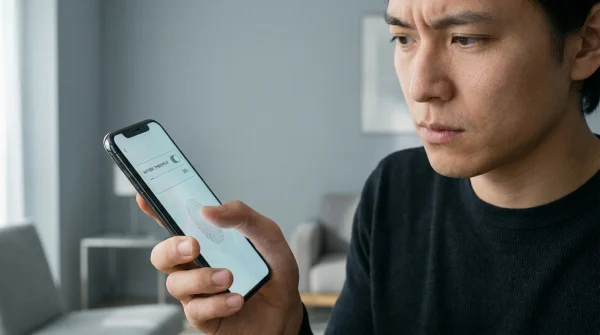
A cold ceramic mug sits half-filled on your kitchen counter while the muted rumble of early morning traffic passes outside. Your phone vibrates against the wood, a sharp, double-buzz that cuts through the quiet routine of 7:15 AM. On the screen rests an alert stamped with the familiar red and gold brand identity: a six-digit shortcode message warning you of an unauthorized $1,840 transfer leaving your checking balance right now.
Your chest tightens before your logic can catch up. The notification lands inside the very same message thread that delivered your legitimate two-factor security codes last month. When your ringtone sounds three seconds later, the incoming caller ID spells out the exact customer support number etched into the back of your debit card.
Everything about the sensory reality screams legitimacy. The voice on the other end is measured, polite, and unhurried, draped in the calm authority of an investigator working in an emergency fraud operations room. Yet behind that crisp audio feed sits an operator working from an automated dashboard thousands of miles away, relying on the fact that panic makes us reach for the nearest life raft, even when it is painted directly onto the reef.
Modern cellular routing protocols were never engineered to police digital identities; they were built to connect switches without friction. When a voice or text packet traverses an internet-to-cellular gateway, the carrier’s core switches routinely take the caller-ID header at face value. Scammers weaponize that blind trust, turning your handset against your instincts by counterfeiting trusted signals into urgent financial ambushes.
The Two-Way Mirror of Caller-ID Deception
To outsmart this tactic, you have to discard the intuition that a digital screen reflects genuine reality. Think of caller ID not as an unalterable passport, but as a handwritten return address scribbled on an envelope dropped into a mailbox. Anyone with access to a cheap internet phone platform can punch nine arbitrary digits into a registration field, and your carrier will cheerfully display that string across your screen.
When an intruder uses this trick, they rely on a psychological pivot known as the urgent rescue maneuver. By manufacturing a false disaster—an immediate debit from an appliance store across the country or an unrecognized login from an unknown device—they make you view them as your sole defender. In that moment of manufactured crisis, you hand over authentication credentials that you would never dream of sharing on an ordinary afternoon.
The deception reaches its most dangerous point when they trigger an actual password reset on your bank account while they keep you on the line. The one-time passcode pinging your phone is completely genuine, sent directly by your bank’s automated servers. The fraudster simply coaxes you into reading those six numbers aloud under the pretense of ‘canceling the pending wire,’ quietly handing them the keys to drain your balance in real time.
- Nothing Ear (a) earbuds silence loud commuter rumble matching luxury flagship sound
- Spigen phone cases trap blistering charging heat quietly degrading delicate battery capacity
- Windows 11 settings transmit silent background telemetry logs fueling intrusive taskbar popups
- Pixel Watch 3 upgrades copy predecessor sensors without delivering promised battery jumps
- USPS tracking texts intercept private banking credentials through deceptive redelivery links
The Charlotte Interconnect Blueprint
Marcus Vance, a forty-four-year-old network routing engineer based outside Charlotte, spends his workdays auditing high-capacity telecommunications switches. In his line of work, the porous nature of legacy calling architecture is an open secret rather than a speculative vulnerability.
‘People believe their phone operates like a sealed pneumatic tube between two known offices,’ Vance often observes during fraud defense briefings. ‘In truth, it functions more like a busy post office where the clerk is legally barred from opening the letter to verify if the sender’s signature matches the person standing at the counter. The switch simply honors whatever identity header the originating terminal presents.’
Dissecting the Attack Across Daily Scenarios
Scammers do not use a single script; they calibrate their pressure based on how and where they catch you off balance. Understanding your own vulnerabilities in different settings is the fastest way to neutralize their playbook.
For the Commuter in Motion
You are stepping onto a train or merging onto an interstate off-ramp when the call connects. Distraction lowers your critical guard by half, and ambient noise masks minor audio discrepancies in the caller’s headset. The fraudster pushes for instant answers: ‘Press one to reject this transfer, or hold to reach an agent.’ When you are juggling physical movement, your fingers react instinctively to stop the perceived loss. In this moment, silence is your shield: ignore the prompt, pocket the device, and let the call roll to voicemail.
For the Home Office Multitasker
You sit surrounded by three open browser windows, answering slack messages while checking bank balances. The incoming scam alert arrives disguised as a high-priority account freeze email or text banner displaying an authentic customer service number. Because you are already in an analytical, problem-solving mindset, you are more likely to engage with their fake support link to clear the flag. Never click an embedded recovery hyperlink; web redirects can mirror bank login dashboards down to the specific copyright micro-copy.
For the Long-Term Account Holder
If you have banked with the same institution for decades, an alert carries heavy emotional weight. Attackers leverage your institutional trust by referencing local branch names or standard verification workflows you have run through dozens of times before. They will address you by your full legal name and quote the last four digits of your social security number—details harvested from widespread public data broker leaks. Familiarity breeds a dangerous complacency that malicious actors count on during every exchange.
The Mindful Interruption: The Clean Air Protocol
Beating caller ID manipulation does not require complex software patches or expensive privacy suites. It requires a deliberate, four-second behavioral pivot that severs the fraudster’s control over the connection.
Whenever an incoming contact claims your money is in jeopardy, treat the interaction like a severed circuit. Hang up the call without explaining or apologizing. Then, establish what digital investigators call clean air.
- Sever the incoming link immediately: Press the red disconnect button, regardless of how authoritative or urgent the voice sounds.
- Bypass text links and call-backs: Never dial the number provided in a suspicious SMS alert, and never hit redial on the incoming call log.
- Launch the isolated application: Manually tap your official mobile banking app icon or enter the bank’s known URL directly into a fresh desktop browser tab.
- Inspect internal security messaging: Real fraud holds and security flags will appear inside your authenticated banking dashboard under your personal message alerts.
- Dial the card reverse: If doubts linger, flip over your physical debit or credit card and dial the customer service number embossed into the plastic.
By stepping outside the communication channel chosen by the caller, you instantly collapse their attack surface to zero. A legitimate bank representative will never penalize you for terminating an incoming call to re-verify the situation through public, published channels.
The Tactical Verification Checklist
| Indicator | The Spoofed Deception | The Authentic Reality |
|---|---|---|
| Caller Identity | Displays your bank’s real name and local branch number via VoIP header manipulation. | Bank representatives will always confirm that you can safely disconnect and call them back. |
| Message Context | Appears directly inside legitimate SMS shortcode historical conversation threads. | Direct alerts never contain urgent external links asking for direct password overrides. |
| Verification Step | Demands you read back a 6-digit one-time code to cancel a fraudulent transfer. | Banks explicitly declare that one-time login passcodes should never be spoken to an agent. |
The Quiet Resilience of Intentional Friction
We live in a culture that treats speed as an unqualified virtue. Interfaces are engineered to be frictionless, transactions clear in milliseconds, and notifications demand split-second attention. Fraudulent caller ID schemes thrive precisely because they exploit that accelerated rhythm, turning your responsiveness into an entry point.
True digital security is not built from intricate passwords alone, but from the quiet confidence to pause. When you choose to sever an incoming call and verify the alert on your own terms, you reclaim control over your personal boundary. Slowing down is an active defense, grounding your financial security in intentional, deliberate action that no spoofed telephone switch can bypass.
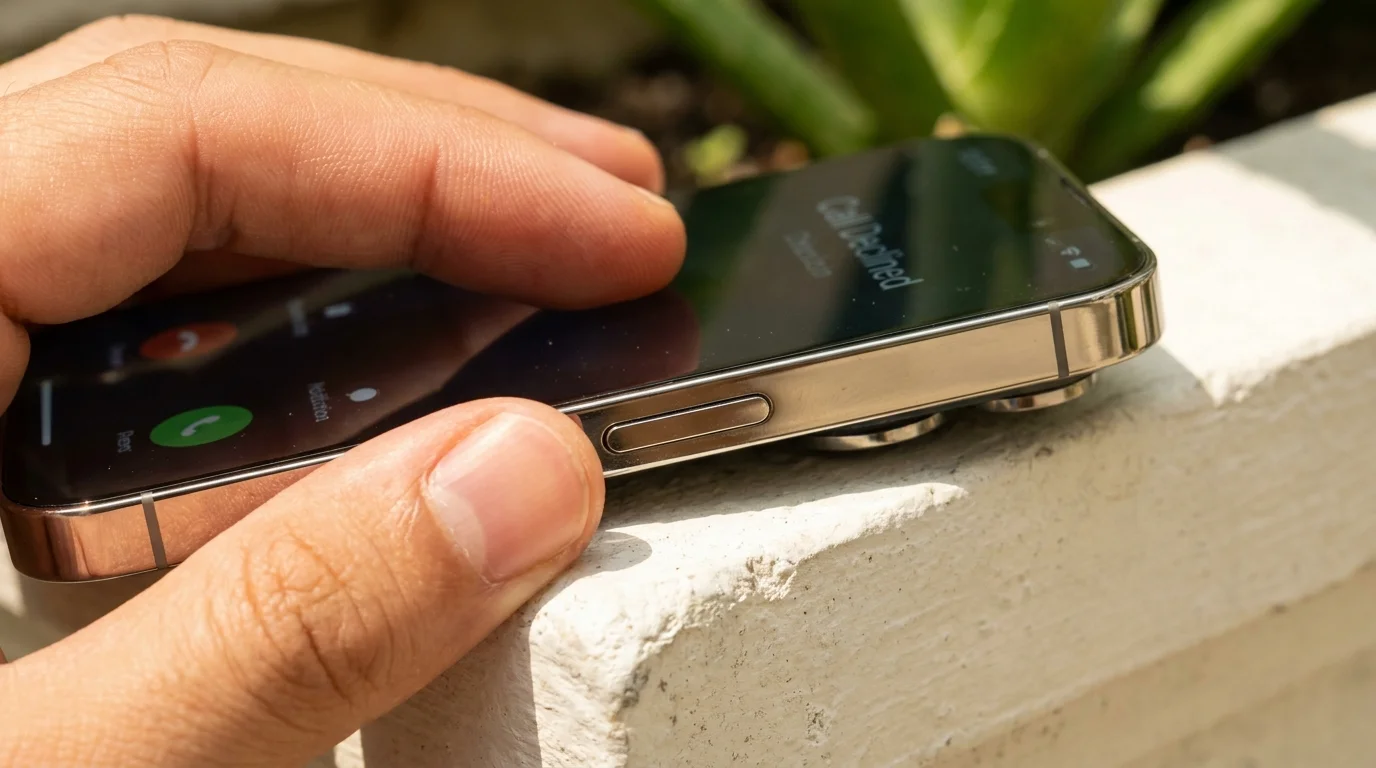
The single most powerful security toggle on your smartphone is the red button that ends an incoming call.
Frequently Asked Questions
Can scammers really make their text messages appear inside my real bank’s SMS thread?
Yes. Mobile operating systems group SMS messages based solely on the originating sender ID or phone number. Because fraudsters spoof legitimate shortcodes, your phone places their deceptive prompt directly beneath your authentic history.What should I do if I accidentally shared a one-time passcode over the phone?
Immediately open your official banking app from a fresh screen, change your online banking password, and call your bank’s genuine fraud hotline using the phone number printed on the back of your card to freeze accounts.Why doesn’t the telephone network automatically block spoofed caller IDs?
Legacy telecommunications systems accept the caller-ID text field as raw data without native cryptographic validation. While new protocols like STIR/SHAKEN reduce robocall spam, cross-carrier routing gaps still allow determined attackers to inject false numbers.Will a bank fraud representative ever ask me for my online banking password?
Never. Authentic financial representatives have internal dashboard access to review account alerts and transactions; they will never request your account password, PIN, or multi-factor code to assist you.Is it rude to hang up on a legitimate bank agent if I am feeling suspicious?
Not at all. Professional fraud prevention teams actively encourage security caution. Simply inform them that you are disconnecting to call customer service directly from the verified number on your physical card.