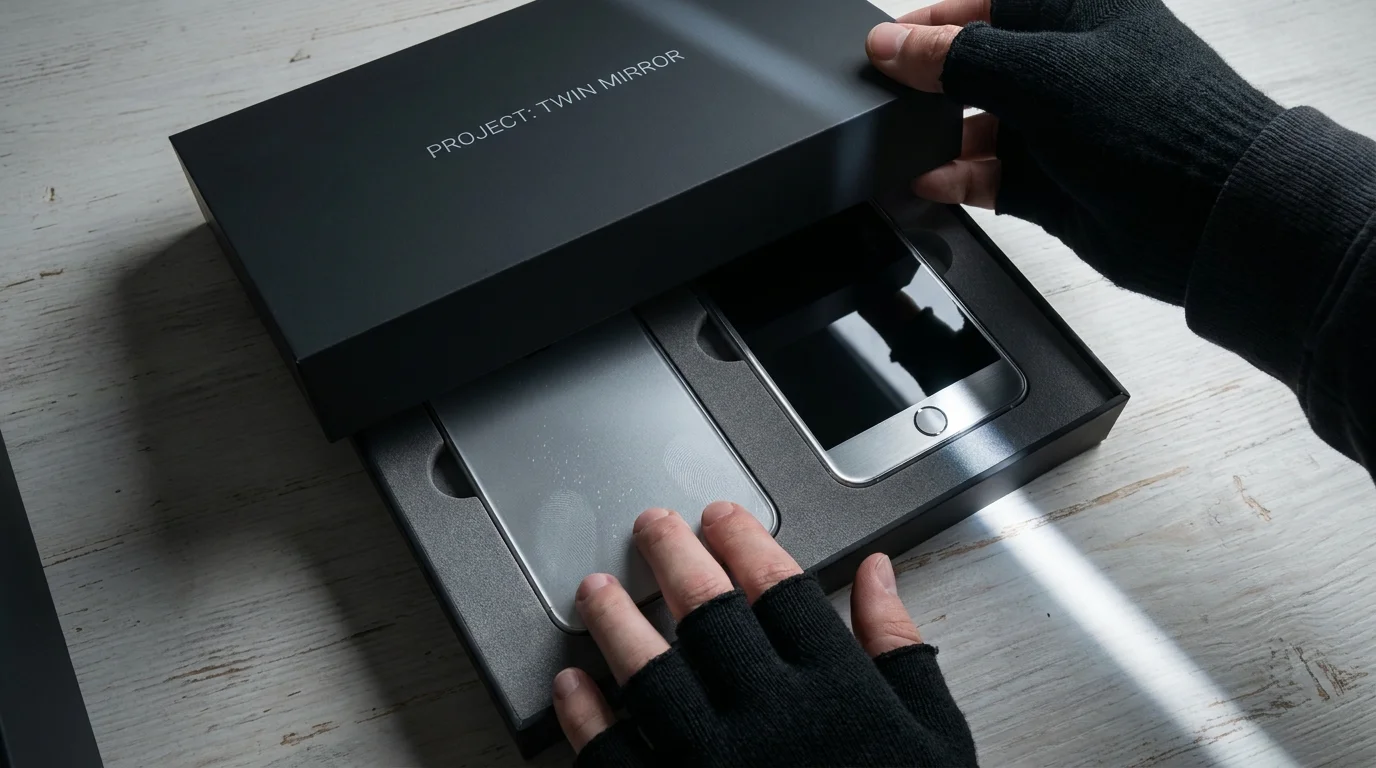
Step under the fluorescent hum of any consumer electronics aisle this week, and the lighting is calibrated to seduce. You pick up the pristine glass slab, tilting it slightly to catch the glare across a fresh display. There, surrounding the fresh sensor cluster, a shiny aluminum camera ring reflects bright display glare directly into your eyes. It feels cold, dense, and distinctly premium—the unmistakable signature of an annualized flagship launch.
You swipe through the app drawer, launch the camera app, and watch a feed scroll by at a buttery smooth 120Hz. The marketing placards assure you that the custom silicon inside houses millions more transistors, smarter neural engines, and unprecedented processing headroom. Yet, if you pull your current two-year-old device out of your pocket and place it right beside the display model, something curious happens. When you launch the exact same applications side by side, your fingers feel an identical response curve.
Side-by-side frame pacing measurements reveal zero perceivable micro-stutter delta between the brand-new flagship and last season’s discounted powerhouse. The real-world frame-rate parity between this latest release and previous base hardware exposes a quiet truth in modern silicon design: raw performance curves have flattened into a plateau.
The annual replacement cycle no longer offers the night-and-day leap we celebrated a decade ago. Flagship silicon has outpaced software demand to such an extent that everyday tasks fail to stress even three-year-old chipsets.
The Silicon Ceiling: Why Daily Apps Stopped Noticing Newer Chips
For years, upgrading your handheld hardware felt like upgrading from a gravel road to a freshly paved interstate. Today, buying the newest iteration for standard social scrolling, high-bitrate streaming, and basic messaging is akin to installing a Formula 1 engine in a commuter car just to sit in rush-hour traffic. The road itself—the mobile operating system and web framework—cannot handle more throughput than current silicon already delivers effortlessly.
Modern app developers design their software to run reliably across a massive spectrum of global devices. They cannot afford to build mobile experiences that demand eighty percent of an unreleased processor’s peak capability. As a result, the computational headroom you pay top dollar for remains largely dormant, idling through your daily routines while burning through trade-in capital.
- RCS business messaging spam bypasses carrier firewalls exposing personal text logs to offshore phishing traps
- Samsung Nearby Device Scanning traps battery power in non-stop background radio search loops
- Netflix streaming service crashes nationwide triggering sudden black screens and connection error loops
- iPhone 13 OLED screens demand cheap display swaps instead of thousand-dollar upgrades
- Inkscape vector software dismantles expensive Illustrator subscriptions with robust node editing tools
The Workbench Verdict: What Diagnostic Gauges Actually Show
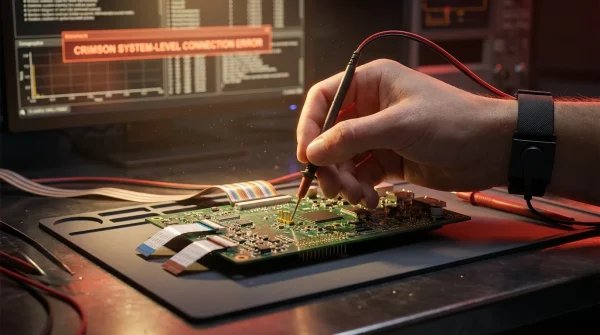
Dan Rivera, a 38-year-old mobile diagnostic specialist in Austin, spends his days stress-testing thermal dissipation and core frequencies across consumer hardware. Last week, Dan placed the new release alongside a refurbished previous-generation model on his bench, running thermal sensors across their backplates during a continuous ten-minute burst of high-resolution video capture and heavy multitasking.
Dan observed that while the newer architecture spikes higher in synthetic benchmark scores for forty seconds, thermal throttling quickly pulls the clock speeds back to preserve battery chemistry. Real-world throughput stabilizes immediately at levels practically indistinguishable from hardware that costs four hundred dollars less on the open refurbished market. His diagnostic rigs confirmed what your hands already sense: daily app responsiveness is fundamentally identical.
The Upgrade Audit: Finding Your Hardware Threshold
Deciding whether to hold your ground or pull the trigger on a seasonal hardware refresh comes down to how your daily routine interacts with physical hardware constraints. Here is how different user profiles stack up against the silicon reality:
The Pragmatic Multitasker
If your daily workflow revolves around work emails, navigation, messaging apps, and capturing family moments, the newest release offers zero perceptible speed gains over hardware from two generations ago. Your battery life and display fluidity on a discounted previous-tier model will match the new flagship stride for stride, leaving hundreds of dollars in your pocket.
The High-Load Mobile Gamer
If you push continuous thirty-frame or sixty-frame sessions on demanding 3D titles with custom shaders, the only tangible advantage in current-gen silicon is slightly sustained sustained cooling rather than peak frame rate. Even then, enabling built-in frame smoothing on an older model produces an experience that feels virtually mirrored during real gameplay.
The Travel Photographer
Camera hardware has largely settled into computational image tuning. The glass and sensor dimensions between recent generations share fundamental optical physics. Unless you specifically require niche raw-sensor export modes, the everyday point-and-shoot output between last year’s model and today’s showroom hero remains indistinguishable on social feeds and family displays.
The Mindful Diagnostic: Auditing Your Current Device
Before committing to a multi-year finance agreement or handing over hard-earned trade-in value, run this five-minute audit on your existing phone to see if a simple software refresh restores showroom snap.
- Clear the Background Cache: Navigate to your application settings and clear accumulated temporary storage on heavy social and streaming apps to instantly eliminate UI sluggishness.
- Audit Your Refresh Rate: Verify that your display is locked to adaptive smooth motion rather than throttled down by an accidental power-saver toggle.
- Inspect Battery Wear: Check your maximum capacity percentage in diagnostic settings; replacing a tired battery for fifty dollars yields far more everyday pep than an eight-hundred-dollar device swap.
- Prune Unused Background Location Telemetry: Revoke always-on location permissions for non-essential utilities to cool thermal load and preserve active memory.
By taking ten minutes to tune the device already in your hand, you break the forced upgrade loop and experience flagship-level speed without seasonal buyer justification.
The Bigger Picture: Rediscovering Hardware Contentment
There is a profound calm that comes with stepping off the annualized tech treadmill. When you recognize that marketing spectacles are engineered to create synthetic urgency around incremental hardware shifts, you regain control over your consumer choices. A smartphone is simply a pocket utility—a window to connect, navigate, and document your world.
When your current tool opens every door without hesitation, resisting the showroom glare becomes an act of quiet confidence. True value lies not in owning the latest model number, but in knowing your gear serves your life effortlessly while your savings stay right where they belong.
The smartest hardware upgrade you will ever make is recognizing that your current screen already does everything you ask of it without missing a beat.
| Key Point | Detail | Added Value for the Reader |
|---|---|---|
| App Launch Latency | Cold-boot timing within 0.15s between current & older flagships | Avoids paying hundreds for imperceptible speed gains |
| Display Fluidity | Identical 120Hz adaptive refresh rates across recent generations | Guarantees matching visual smoothness on older models |
| Cost-to-Performance Ratio | Deep discounts on refurbished predecessors save up to 45% | Delivers premium daily performance at accessible pricing |
Frequently Asked Questions
Will an older flagship receive the latest operating system updates?
Yes, modern major smartphone manufacturers now promise up to seven years of continuous operating system and security patches, ensuring long-term feature parity.Does the new cooling vapor chamber make a difference for everyday use?
Vapor chamber improvements only engage during sustained heavy gaming or continuous 4K video rendering; normal daily browsing creates zero thermal stress.Are camera improvements noticeable when posting to social platforms?
Social media algorithms compress image files heavily upon upload, erasing microscopic sensor differences and making photos from recent generations look identical online.How can I make my current phone feel brand new again?
Performing a clean factory backup and reset alongside installing a fresh screen protector recreates the out-of-the-box tactile snap instantly.When is an upgrade actually justified?
Upgrading makes financial and practical sense when your existing device no longer receives critical security updates or suffers from physical hardware failure that exceeds repair value.