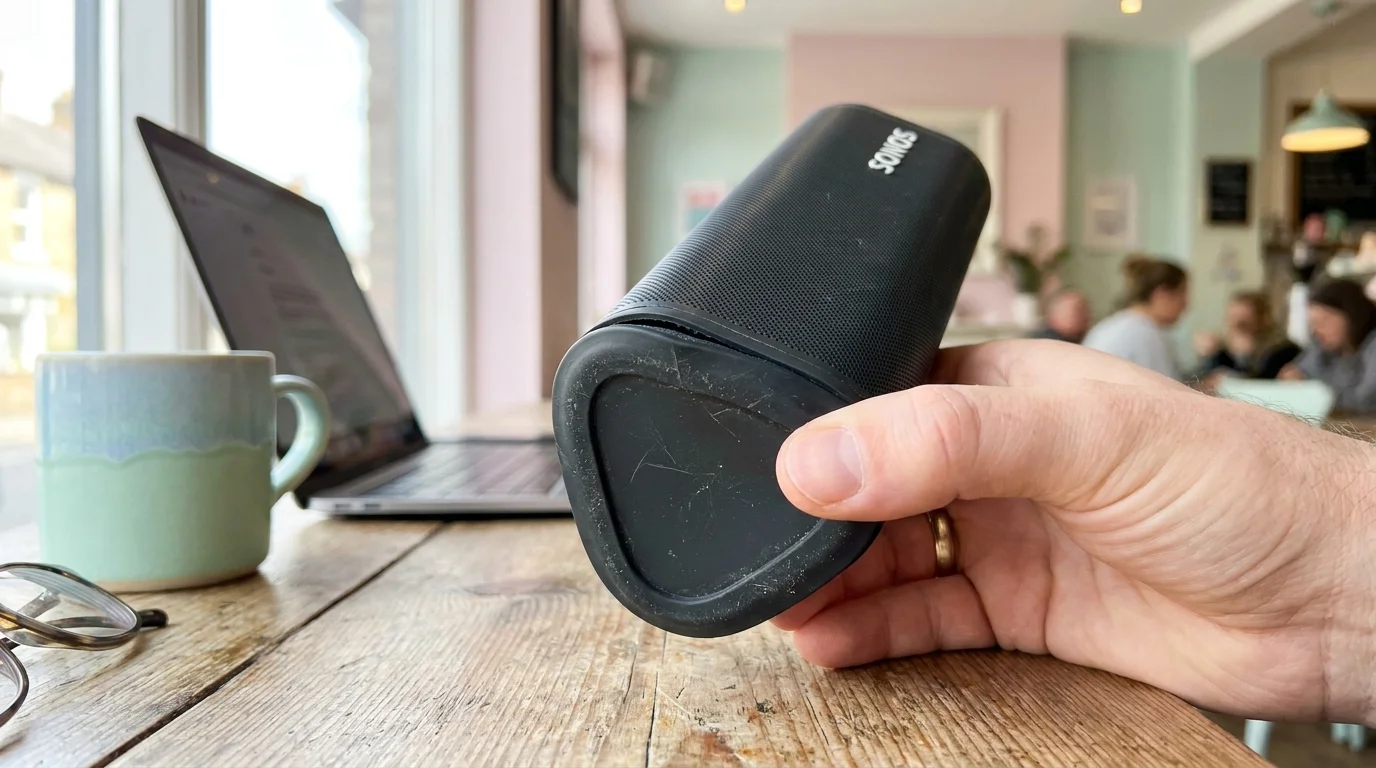
A familiar summer afternoon sits quietly on your back patio table, framed by the faint aroma of warm cedar deck boards and iced tea. Your favorite playlist hums softly in the background, delivered through a sleek triangular cylinder designed to weather garden splashes and camping trips alike. You reach out to adjust the volume, expecting the cool, matte touch of premium silicone and polycarbonate, but pull your fingers back almost instantly. The chassis radiates an unnatural, prickly warmth.
When you turn the unit upside down, the signs become impossible to miss. That crisp, flat foundation now wobbles on flat surfaces, revealing a warped rubber base plate bulging from swollen lithium-ion cells trapped beneath the sealed enclosure. A faint, sweet chemical scent mingles with the ambient heat, signaling that the compact energy cell inside has exceeded its thermal tolerance threshold.
For years, portable audio gear promised effortless durability, encouraging us to leave compact speakers indefinitely resting on induction charging docks or baking beside patio recliners. That illusion of indestructible simplicity is now unravelling as safety advisories spotlight the delicate chemistry packed inside these ultra-dense handheld audio powerhouses.
The Thermal Trap Behind Ultra-Compact Audio
We tend to treat modern portable speakers like weather-hardened stones, forgetting that beneath the waterproof mesh sits a tightly compressed chemical reactor. When a high-density lithium-ion pouch operates inside a sealed, waterproof cavity, heat dissipation becomes an intricate balancing act. Without active cooling fans or large metal heatsinks, the internal battery pack must transfer its thermal energy directly through the chassis walls.
Think of an overtaxed lithium cell as a sealed loaf of sourdough baking in a tight Dutch oven. Continuous trickle charging on high-wattage wireless pads creates a persistent low-grade thermal simmer that accelerates electrolyte breakdown. Over months of daily use, this chemical exhaustion generates pocketed gases, physically expanding the pouch until it exerts outward pressure against internal circuit boards and exterior rubber seals.
The Hardware Bench: What Field Technicians Are Seeing
Greg Vance, a 42-year-old consumer electronics diagnostic engineer based outside Austin, Texas, began tracking these localized thermal failures across portable smart speakers during the peak heat waves of late spring. In his teardown lab, Vance observed that units subjected to constant Qi-charging cradles alongside intermittent high-volume playback exhibited accelerated battery internal resistance. “People assume IP67 waterproofing keeps everything safe from the outside world,” Vance explains, examining an expanded battery casing under bench lighting. “In reality, that hermetic seal also traps internal thermal spikes, turning minor component stress into physical chassis deformation if the battery management firmware fails to throttle intake current.”
- Android Do Not Disturb toggles block chaotic app pings while permitting family rings
- Xbox Series X vents trap thick carpet lint triggering loud fan whine
- TSA power bank rules force oversized lithium bricks out of checked luggage
- Amazon Alexa smart speakers record background conversations until users switch telemetry toggles
- iPhone 15 camera settings trigger aggressive sharpening unless users switch off HDR
Identifying Your Risk Profile Across Daily Environments
Not every device experiences the same thermal stressors. Understanding how your specific habits interact with the internal hardware helps you identify early warnings before permanent cell damage occurs.
The Desktop Permanent Docker
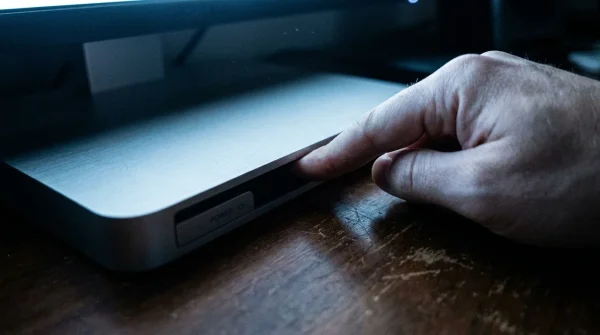
If you keep your portable speaker permanently parked on a wireless induction puck at your home office desk, your device faces constant float voltage. Check the bottom rubber pad once a week; if the speaker rocks slightly when tapped on a level desk, internal swelling has already begun to displace the battery envelope.
The Sun-Drenched Explorer
Taking your music to poolside loungers or boat decks introduces direct solar radiant heat on top of audio amplifier load. High ambient temperatures above 85°F combined with continuous bass-heavy playback force the internal power management unit to run at maximum thermal ceilings, making shade placement mandatory.
The Seasonal Weekend Camper
Leaving a speaker stored inside a hot glovebox or uninsulated garage between trips creates deep-discharge instability. When a depleted cell is suddenly hit with a 45-watt fast-charging block in hot weather, internal resistance spikes instantly, creating the prime conditions for localized swelling.
Mindful Inspection and the Replacement Protocol
Verifying your hardware integrity takes less than two minutes and requires no technical tools. Follow these deliberate diagnostic steps to check your unit and initiate an official safety replacement if your serial number falls within the flagged advisory batch.
- Tactile Baseline Inspection: Power down the device and run your thumb across the bottom rubber base plate. It should sit entirely concave or flush with the outer casing edges. Any noticeable bubble or wobble indicates cell compromise.
- Locate the Serial Identifier: Look at the lower edge near the USB-C charging port or check the device information tab within your mobile companion app. Flagged manufacturing runs primarily encompass production dates between early 2021 and mid-2023, specifically batch prefixes containing SR21 through SR23.
- Isolate the Unit Safely: If you detect bulging or excessive charging heat, immediately disconnect all cables and induction pucks. Store the speaker on a non-flammable surface, such as a ceramic tile or metal tray, away from direct sunlight.
- Initiate Official RMA Support: Navigate to the manufacturer’s designated safety portal, submit your 12-digit serial string, and request the expedited hazardous material return kit, which includes a fire-retardant shipping pouch.
The Tactical Safety Toolkit
Keep these baseline parameters in mind to maintain lithium hardware longevity:
- Optimal Storage Range: 50°F to 77°F (10°C to 25°C)
- Maximum Safe Operating Ceiling: 95°F (35°C) ambient temperature
- Recommended Charging Supply: 5V/2A (10W) standard USB-C over high-wattage fast chargers
- Physical Check Interval: Once every 30 days
A Mindful Relationship with Personal Hardware
Modern consumer technology frequently obscures physical realities behind seamless curves and wireless magic. Yet, the energy dense enough to deliver room-filling acoustics across an entire weekend remains bound to fundamental chemistry. Taking thirty seconds to inspect the base plate of your daily speaker restores an active awareness to the objects sharing our living spaces, turning routine maintenance into genuine domestic peace of mind.
“True hardware safety begins the moment we treat compact lithium devices as active chemical systems rather than passive plastic appliances.”
| Key Point | Detail | Added Value for the Reader |
|---|---|---|
| Physical Bulge Check | Inspect bottom silicone base for convex warpage or rocking on flat tables. | Instant confirmation of battery cell health without opening the casing. |
| Serial Number Scope | Focus on production batches starting with SR21 through SR23 prefixes. | Direct verification to see if your specific speaker qualifies for free exchange. |
| Charging Habit Shift | Switch from permanent induction docks to periodic 10W wired charging. | Prevents premature electrolyte breakdown and doubles hardware lifespan. |
Frequently Asked Questions
How do I know if my speaker is running dangerously hot?
A normal speaker feels warm during loud playback, but it should never be uncomfortable to hold against your bare palm. If the outer casing exceeds roughly 115°F or emits a faint sweet odor, discontinue use immediately.Can I continue using the speaker if the base is only slightly swollen?
No. Any visible displacement of the rubber foot indicates that the lithium pouch has compromised its internal seals. Disconnect charging cables immediately and safely isolate the unit.Will a firmware update fix the battery overheating issue?
Firmware patches can optimize charge cutoffs and throttle playback thermals, but they cannot reverse physical cell expansion once structural deformation has occurred.Does the safety replacement program apply if my warranty has expired?
Safety advisories regarding thermal expansion and battery deformation are handled outside standard 1-year limited warranties, qualifying affected serial numbers for direct manufacturer processing.What is the safest way to charge portable speakers during summer?
Charge your device indoors in a climate-controlled room using a modest 5V/2A wired connection rather than resting it on wireless docks in direct outdoor sunlight.