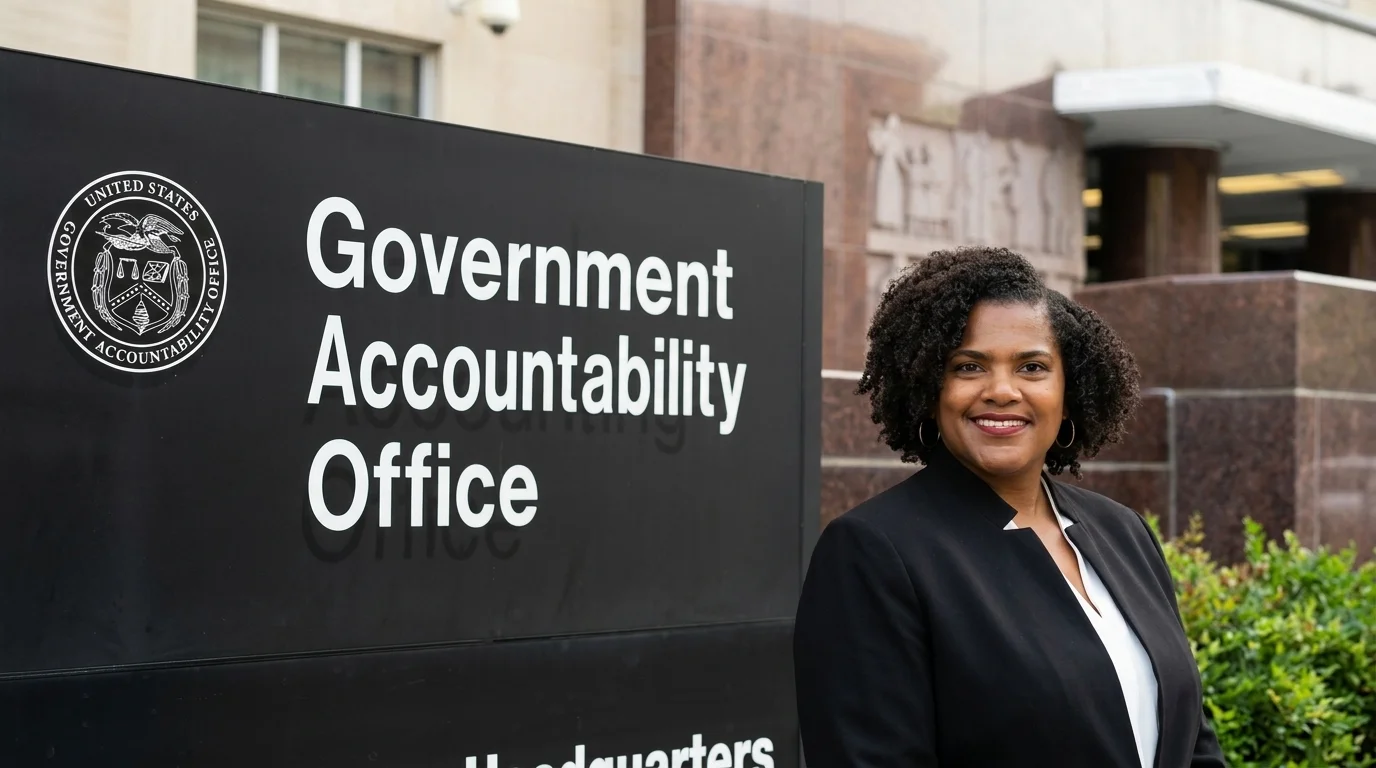
The U.S. Government Accountability Office (GAO) published its strategic plan for fiscal years 2027 through 2032 on October 15, 2026, before publicly releasing the document on October 16. Acting as the nonpartisan auditing arm of Congress, the watchdog agency is placing artificial intelligence oversight, cybersecurity evaluations, and federal IT acquisition reviews at the center of its multi-year agenda. To support these reviews, the agency plans to streamline its hiring processes for technical specialists in AI, data science, and cybersecurity while expanding its own internal use of automated analytics tools.
The roadmap structures the agency’s priorities around three overarching strategic goals: delivering independent and objective analysis for Congress, improving federal program performance and accountability, and strengthening the GAO’s internal institutional capacity. While the official document covers a six-fiscal-year span from 2027 through 2032, reports from FedScoop and MeriTalk characterize the priority window as the next five years, counting the interval between the endpoint years rather than the inclusive fiscal-year range.
Acting U.S. Comptroller General Orice Williams Brown wrote in the plan that the agency is entering this planning period amid rapid technological shifts, mounting financial pressures, a changing global security environment, and intensifying cybersecurity threats. Brown stated that the watchdog must remain agile as congressional priorities shift and federal agencies reimagine how they execute their missions using emerging technologies.
Auditing Federal AI and National Security Risks
A core pillar of the 2027–2032 framework involves evaluating how executive branch agencies acquire, deploy, and regulate emerging technologies. The GAO intends to help the House and Senate anticipate science and technology trends, opportunities, and risks through formal technology assessments. Rather than waiting for IT failures to occur, the watchdog aims to evaluate the effectiveness of federal AI policy and the regulatory frameworks governing agency deployments, as well as how federal investments affect international competitiveness.
The strategic plan notes that digital systems both generate and consume vast quantities of data, raising persistent policy questions regarding privacy, security, and responsible governance. The document also projects that emerging technologies will reshape jobs and employment across the economy, asserting that scientific and technical innovations driven by AI will continue to affect every public policy domain.
- NYC Public Schools Halts Generative AI Use Through 8th Grade for 2026-27 Year
- AI Skills Carry Nearly $18,000 Wage Premium as Data Questions 120,000 AI Job Cuts
- Public Radio Affiliates Air Plain-English Guide to Decode Complex AI Jargon
- DHS Orders Federal Agencies to Remove Chinese AI Platform DeepSeek Over Security Risks
- Hackers Actively Exploit ‘Plex2Shell’ Flaws in Unpatched Plex Media Servers
National security and defense integrations represent a major focus area within the oversight agenda. According to FedScoop, the GAO plans to scrutinize how the federal government addresses the national security implications of artificial intelligence. Specifically, auditors will examine the operational risks posed by adversarial AI use, the deployment of autonomous systems, and threats to the integrity of AI-enabled decision-making.
In parallel with AI assessments, the agency will continue scrutinizing broader federal IT acquisitions and management practices. Auditors will evaluate agency technology portfolios, software development practices, technical workforce capacity, and federal cybersecurity efforts aimed at protecting government networks, securing critical infrastructure, and safeguarding sensitive public data.
Recruiting Tech Talent and Internal Modernization
In the strategic plan, the GAO observed that outdated management structures, organizational fragmentation, skills gaps, and the uneven adoption of technology frequently make the federal government less efficient. To avoid those same pitfalls internally and keep pace with the agencies it audits, the watchdog is prioritizing its own workforce modernization.
The strategy outlines plans to streamline recruitment specifically for technical and specialty roles, targeting experts in artificial intelligence, data science, cybersecurity, and other emerging technologies. While FedScoop and MeriTalk highlight the push to bring in dedicated tech specialists, the strategic plan does not commit to a specific numerical hiring target, headcount quota, or recruitment timetable for those positions. Alongside external hiring, the agency will expand internal training programs to build analytical, cybersecurity, and AI skills among its existing staff.
Earlier in October 2026, Jennifer Franks, director of the GAO’s Center for Enhanced Cybersecurity, emphasized the necessity of technical upskilling and institutional adaptability to counter AI-related threats. Franks noted that continuously investing in staff and resources is vital to ensure the congressional watchdog can maintain its oversight mission and protect its audit evidence.
Beyond staffing, the GAO plans to treat artificial intelligence as an internal operational tool. According to MeriTalk and Superpower Daily, the agency aims to expand enterprise-wide adoption of AI, data analytics, and cloud technologies. The GAO will utilize its internal Innovation Lab to securely test new software tools designed to improve business processes and audit workflows. However, the strategic document describes intended modernization and testing goals rather than providing evidence that specific internal AI tools have already been deployed to alter audit outcomes.
What the Strategic Plan Means for Policymakers and Agencies
For federal IT leaders, defense contractors, and policymakers, the 2027–2032 strategic plan serves as an early notice of how congressional inquiries will be structured over the coming years. The GAO is building the institutional capacity to conduct technical inspections of agency algorithms, software procurement pipelines, and data security protocols rather than relying solely on high-level policy reviews.
The watchdog will measure its progress toward these objectives annually through its Performance and Accountability Report. According to MeriTalk, the GAO reported that its oversight work generated $62.5 billion in financial benefits for the federal government during fiscal year 2026, a baseline the agency aims to build upon as it shifts focus toward emerging technology investments.
Key Questions Surrounding the GAO’s AI Strategy
Does the strategic plan target specific federal AI programs for auditing?
No. The 2027–2032 document establishes high-level priorities and intended institutional capabilities for the agency. It does not identify specific federal agencies or particular AI systems already selected for audit, nor does it establish that specific government AI deployments have failed.
How many AI and cybersecurity specialists will the GAO hire?
The GAO has not disclosed a numerical hiring target or a specific timetable for individual recruits. The plan commits to streamlining the hiring pipeline across several technical specialties—including AI, data science, and cybersecurity—while simultaneously training current auditors to handle technical reviews.
How will the GAO govern its own internal use of artificial intelligence?
The agency plans to use its Innovation Lab to securely evaluate AI and data analytics tools before integrating them into audit and business processes. However, the public strategy overview does not detail the specific evaluation methodologies, guardrails, or disclosure practices that will govern how automated tools touch official audit evidence, leaving those operational metrics to be tracked in future annual performance reports.
Sources
- U.S. Government Accountability Office – 2027-2032 Strategic Plan: Serving Congress and the Nation
- FedScoop – GAO to monitor government AI use, hire AI experts in coming years
- MeriTalk – GAO Targets AI, Cybersecurity Oversight in New Strategic Plan
- Superpower Daily – GAO Publishes AI Oversight Agenda With Plans to Adopt More AI Itself