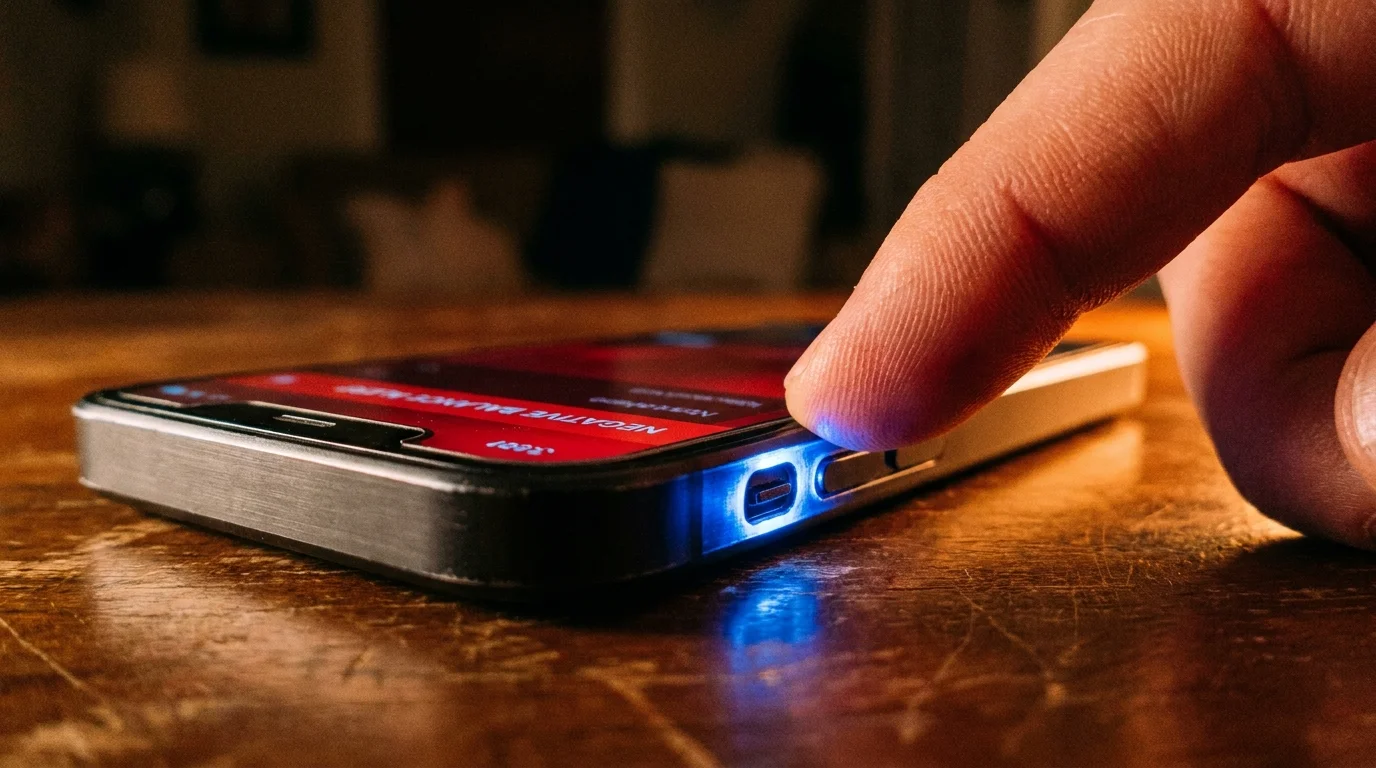
The bedroom clock reads 1:18 AM, casting a faint amber tint across your ceiling while your eyelids burn with the distinct ache of screen fatigue. In a bid to stop your racing thoughts, you tap your smartphone screen and install an application promising rain sounds, cedar forests, and untroubled sleep. A soft, welcoming prompt appears on the glass, inviting you to begin a free seven-day introductory trial with a swift double-click of the side button.
You drift off assuming you bought yourself some breathing room to decide whether the nightly audio tracks are worth keeping. You tell yourself that you will cancel it on Sunday before any real money changes hands, setting an imaginary reminder you are bound to forget.
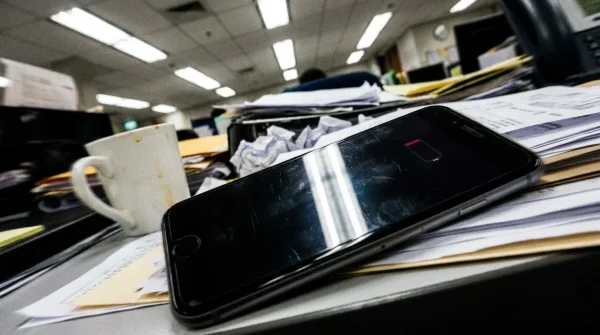
The awakening arrives two weeks later, not with gentle woodland sounds, but with the sudden sting of a red negative balance alert flashing across your digital banking dashboard. A non-negotiable yearly charge of $69.99 has cleared your checking account without an invoice, without an email confirmation, and without your deliberate consent.
What felt like a harmless late-night quest for calm has resolved into an overdraft fee and an empty digital wallet. The application that promised to lower your resting heart rate has instead delivered an ambush of automated commerce.
The Digital Flytrap: How Trials Become Automatic Traps
Modern subscription monetization does not rely on your continued satisfaction; it relies on your exhaustion. Mobile product designers understand that someone downloading a sleep aid at two in the morning is operating with depleted willpower and blurred perception. They configure onboarding flows around a simple cognitive vulnerability: the friction of entering a trial is reduced to zero, while the exit is routed through a labyrinth of deliberate obscurity.
When an app prompts you with a bright button that says ‘Start My Free Week,’ it rarely behaves like a traditional retail sample. Instead, the software initiates an immediate deferred annual billing contract through your platform account. The interface prominently highlights the word ‘Free’ in bold typography, while burying the fine print—that the account will automatically convert into a non-refundable, lump-sum annual plan within 168 hours—behind a muted grey disclaimer that blends into the background.
Worse, the developers structure these setups so the charge hits 24 hours before the seven-day period technically concludes. If you set a calendar alert for the morning of the seventh day, you are already too late. The billing engine has already executed the charge, leaving you scrambling against automated refund rejections.
For Elena Ramos, a 34-year-old pediatric nurse from Chicago, the experience felt less like software commerce and more like pickpocketing. Working rotating 12-hour shifts, she activated a sleep trial on her lunch break to quiet her mind before an afternoon nap. Nine days later, while standing in a supermarket checkout line, her debit card was declined because an automatic $79.99 renewal had wiped out her remaining grocery budget. When she searched the application’s internal menus for a cancellation toggle, she found endless links to meditation guides, but not a single functional switch to shut off the billing stream.
Decoding the Architecture of In-App Friction
Wellness platforms do not obscure cancellations by accident; they build deliberate operational moats around their recurring revenue streams. Depending on where and how you tapped confirmation, your money is tied up in one of three distinct collection engines, each engineered to deflect your attempts to back out.
- Refurbished MacBook Air M2 laptops reveal swollen battery packs during five minute diagnostic audits
- Garmin Forerunner 265 watches trigger erratic pulse spikes unless wiping sticky sensor grime
- Ugreen Nexode chargers spark blistering phone heat requiring overnight trickle wattage instead
- Google Authenticator app blocks drained bank balances when replacing interceptable mobile SMS codes
- Bose QuietComfort Ultra headphones stop audio stutter when resetting corrupted Bluetooth pairing lists
The Native App Store Silo
If you confirmed your subscription through your phone’s operating system via biometric verification, the application developers do not hold your credit card details directly. This works in your favor, yet the app will rarely provide a direct cancellation toggle inside its own settings tab. Instead, tapping ‘Manage Account’ inside the app will frequently redirect you in an infinite loop back to the home screen or present a dead FAQ link, banking on the chance that you will give up in frustration before digging into your device’s core operating settings.
The Web Checkout Ambush
If an ad on social media routed you to an external mobile browser before directing you to download the application, you likely registered through an off-store payment portal. This is where consumers face the most aggressive silent auto renew charges. In this environment, third-party payment processors handle the billing, stripping away the platform protections provided by your smartphone’s operating system. To stop these charges, you are forced to locate hidden self-service customer portals that intentionally demand desktop logins, password resets, and multi-page surveys designed to stall your cancellation until the next cycle clears.
The Aggressive Annual Default
Almost every mainstream wellness platform uses an asymmetric choice architecture during onboarding. When presenting options, the interface automatically selects the expensive yearly package—often billed at $70 or $80 up front—while obscuring the less risky monthly billing tier beneath hidden dropdown tabs. If you rush through the screens to silence your room, you inadvertently agree to the highest possible financial liability.
Mindful Extraction: The Immediate Cancellation Protocol
Ending an predatory subscription requires bypassing the application interface entirely. Do not waste time hunting through the application’s internal menus, as those screens are designed to stall you. Instead, you must access the root subscription manager built directly into your phone’s operating system.
Take a breath, pick up your device, and execute these steps methodically:
- For iOS Users: Open your primary ‘Settings’ app. Tap your name at the very top of the screen to open your Apple Account. Tap ‘Subscriptions’. Locate the sleep app in the ‘Active’ list, select it, and tap the red text reading ‘Cancel Subscription’ or ‘Cancel Free Trial’.
- For Android Users: Open the Google Play Store app. Tap your profile icon in the upper right corner. Select ‘Payments & subscriptions’, then choose ‘Subscriptions’. Tap the meditation app, select ‘Cancel subscription’ at the bottom, and confirm your choice.
- For Web-Registered Accounts: If no subscription appears in your phone’s native menus, search your email inbox for your original sign-up receipt. Look for payment processors such as Stripe or Paddle, click the ‘Manage My Order’ link directly from the receipt, and cancel via the merchant portal.
Once cancelled, check your device screen immediately to verify that the status has changed from ‘Renews on’ to ‘Expires on’. Take a screenshot of this confirmation screen; having visual proof of your cancellation timestamp is your primary defense if a rogue billing attempt occurs later.
The Tactical Recovery Toolkit
If the money has already left your account, do not write it off as an expensive lesson. You can reverse these unauthorized deductions if you use the correct platform mechanisms within 48 hours of the transaction.
The Direct Platform Refund Route
If billed through Apple, navigate directly in your browser to reportaproblem.apple.com. Sign in with your Apple credentials, select ‘Request a refund’ from the dropdown menu, and choose ‘I did not intend to renew this subscription’. Apple processes these automated requests within 24 to 48 hours, frequently returning the funds if filed promptly.
For Android purchases, visit play.google.com/store/account/orderhistory on a web browser within 48 hours of the charge. Click ‘Request a refund’ or ‘Report a problem’ next to the line item, select the option indicating you made the purchase accidentally, and submit the claim.
The Financial Institution Dispute
If the application developer denies your refund and your phone’s app store refuses to intervene, contact your credit card issuer or bank directly. State clearly that the charge was an unauthorized recurring billing loop triggered by deceptive interface design. Request a merchant block on the processing entity to prevent secondary charges, and ask the bank representative to initiate a formal chargeback under the grounds of undisclosed recurring billing terms.
Reclaiming Agency Over Digital Rest
True rest cannot be bought through an interface engineered to pick your pocket while you sleep. The modern technology market has turned basic biological necessities—such as deep sleep, mindful breathing, and mental calm—into high-friction commodities governed by quarterly financial goals. When a company uses deliberate confusion to slip a recurring debit past your defenses, they demonstrate that their primary allegiance is to their balance sheet, not your nervous system.
Learning to dismantle these hidden subscription traps does more than simply protect your checking account. It rebuilds your boundaries against digital exploitation. When you master the buried toggles inside your operating system, you strip away the leverage these predatory monetization designs hold over your peace of mind. You take back control of your finances, allowing your evenings to return to what they were always meant to be: quiet, uncluttered, and genuinely yours.
The most expensive mistake in modern consumer technology is assuming an application cares as much about your rest as it does about your recurring billing cycle.
| Key Point | Detail | Added Value for the Reader |
|---|---|---|
| Cancellation Timing | Must cancel at least 24 hours before the 7-day trial ends. | Prevents automated pre-authorization charges from draining your account early. |
| OS-Level Access | Bypass app settings entirely; use native phone account settings. | Stops apps from trapping you inside circular FAQ loops and fake menus. |
| Refund Threshold | Submit refund disputes within 48 hours via store portals. | Maximizes your legal chance of recovering a full cash reversal. |
Frequently Asked Questions
Will deleting the app off my phone cancel my active subscription?
No. Deleting an application only removes the visual software from your home screen. The billing engine remains fully active in your operating system account, and you will continue to be billed until you manually terminate the subscription inside your device settings.Why did I get charged before my seven-day trial actually finished?
Most major mobile platforms renew trials 24 hours before the stated expiration time to ensure uninterrupted service delivery. To guarantee you avoid a charge, you must cancel your trial at least 48 hours prior to the official renewal timestamp.Can I still use the app for the remainder of the week if I cancel immediately?
In almost all cases, yes. When you cancel a free trial via iOS or Android native settings, your access remains valid until the original seven-day period expires, allowing you to use the features without risking an unexpected fee.What should I do if the app store denies my refund request?
If your initial platform dispute is rejected, submit an appeal citing deceptive onboarding and hidden auto-renew terms. If that fails, contact your credit card issuer or bank to file a formal billing dispute for unauthorized recurring fees.Where do I find subscriptions that do not show up in my Apple or Google account?
If a subscription is absent from your operating system settings, you registered directly through a web browser. Check your email inbox for the original payment receipt and manage the subscription through the web link provided by the third-party merchant processor.