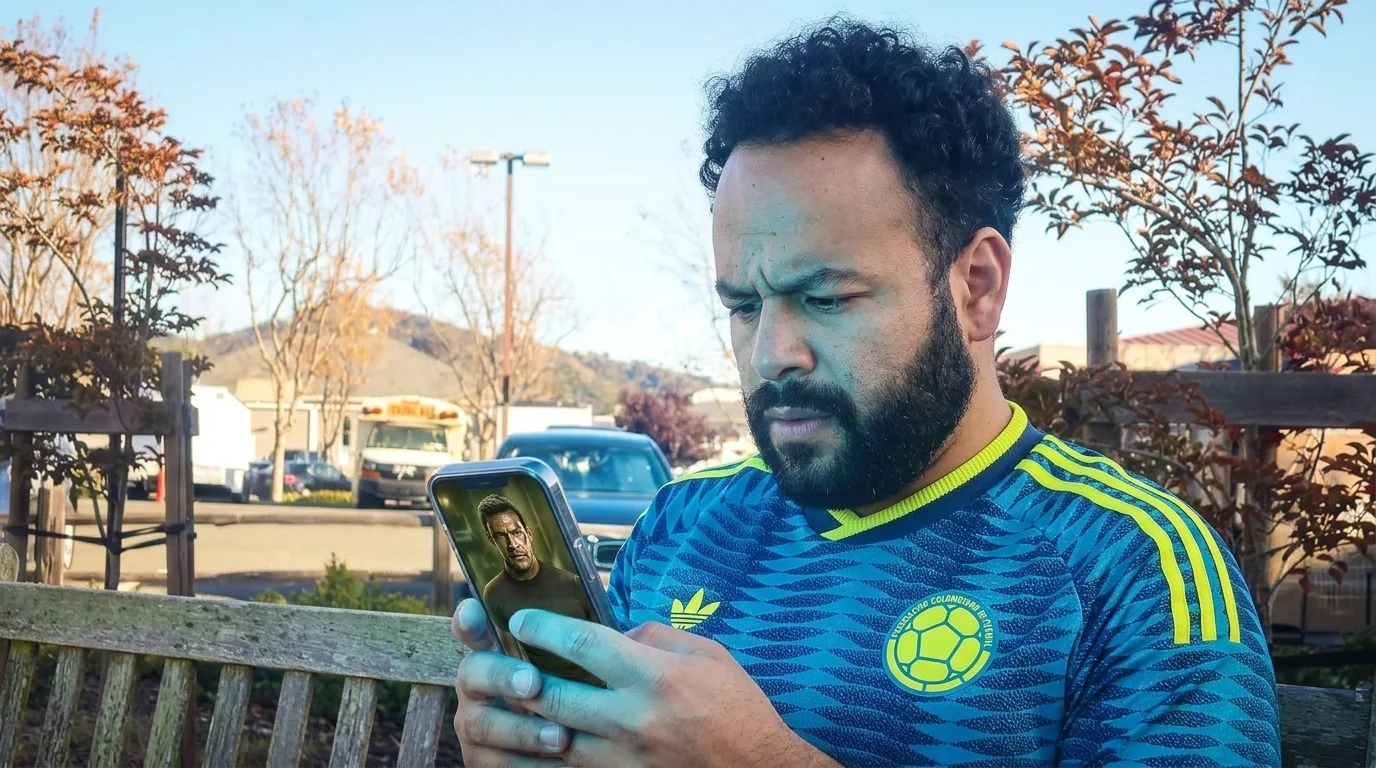
Fraudsters are deploying artificial intelligence to generate fabricated images and videos of professional athletes and public figures, luring sports fans into financial scams on social media. According to an October 20, 2026 investigative report syndicated across Gray Television affiliates including WABI and Arizona’s Family, operators behind unverified sports fan pages are using synthetic media and fabricated charitable stories to build trust with followers before soliciting direct payments in private messages.
The warning to sports fans coincides with broader international and state-level alerts regarding synthetic media fraud. On October 19, 2026, INTERPOL launched a public awareness campaign noting that AI-generated or altered media increasingly targets ordinary members of the public through impersonation, romance, and investment schemes. On the same day, the California Department of Justice issued consumer guidance warning that con artists are using deepfakes and voice clones to impersonate public figures and pitch fraudulent cryptocurrency investments.
How the Fan Page Schemes Operate
In the sports sector, scammers frequently establish unverified social media pages that mimic legitimate fan communities. Ray Waldheim, who manages the verified “Atlanta Braves Chop Live” community with more than 242,000 followers, told WTOC that he routinely encounters fabricated photos of real Major League Baseball players circulating on counterfeit pages operating under names such as “Braves Dugout” and “Tomahawk Territory.”
These deceptive accounts post AI-generated imagery depicting athletes in uniform performing charitable acts that never occurred, such as rescuing flood victims. Sean O’Malley, co-founder of Atlanta Braves Chop Live, noted that scam networks recycle identical fabricated narratives across different sports leagues. O’Malley reported seeing the exact same story—claiming Atlanta Braves third baseman Austin Riley gave away his old pickup truck to a former janitor—reposted on football fan pages featuring different athletes alongside the same truck image.
Once a post gains engagement, scammers impersonate the athletes in the comment sections, identify responsive fans, and steer those conversations into private direct messages. After establishing a rapport, the impersonators ask for money. According to Waldheim, one woman contacted his page after losing $2,000 to a scammer posing as Riley who claimed to be experiencing financial difficulties—despite the player holding a contract worth more than $100 million.
- Researchers Develop Early Warning Probes and Math Models to Detect Harmful AI Behavior
- Ticketmaster Names Ex-Amazon Exec Jim Freeman as CTO to Lead AI Push
- U.S. Bans China’s DeepSeek AI From Federal Civilian Agency Systems
- SpaceX Launches Classified USSF-481 Space Force Mission From California on 28th Booster Fl
- NASA’s Second Simulated Mars Crew Marks One Year in Isolation Ahead of Oct. 31 Exit
David Schweidel, an artificial intelligence expert at Emory University’s Goizueta Business School, explained in the WAND report that emotional manipulation is central to the scheme’s effectiveness. When scammers trigger an emotional response through heartwarming or urgent narratives, targets are less likely to evaluate the claims rationally. Schweidel added that publicly available generative AI tools now require only minimal publicly broadcast video and audio of a public figure doing their job to generate convincing digital twins.
Measuring the Scale of Impersonation and Cyber Fraud
While law enforcement and consumer protection agencies agree that AI-enabled impersonation is a growing threat, tracking the exact financial toll of deepfake-specific or sports-related schemes remains difficult due to how national cybercrime data is categorized.
The local television investigation cited figures from the FBI’s 2024 Internet Crime Report showing the Internet Crime Complaint Center (IC3) received 859,532 complaints in 2024, resulting in more than $16.6 billion in reported losses—a 33% increase from 2023. In Georgia alone, reported potential losses reached $420 million, up 40% year over year. However, those FBI figures represent total reported cybercrime across all categories nationwide rather than losses specifically attributable to AI deepfakes or sports fan fraud.
Broader federal consumer data shows a similar lack of granular tracking for synthetic media. According to an October 19, 2026 analysis by ASIS International citing Federal Trade Commission (FTC) data, imposter scams were the most frequently reported fraud category in 2025, accounting for at least $3.5 billion in reported losses across all impersonation methods. Similarly, a PIRG report published October 20, 2026 found that the average loss from a scam phone call in the first half of 2026 reached $3,973, an increase of nearly 8% compared to the first half of 2025. Yet as Gizmodo reported, the FTC’s Consumer Sentinel database does not specifically break out the number of scams involving artificial intelligence, meaning general impersonation and phone fraud figures cannot be treated as a direct measure of deepfake totals.
Why Visual Inspection Is No Longer Enough
As generative models improve, cybersecurity researchers and state officials warn that consumers cannot rely solely on spotting visual or audio flaws to identify a scam. Furthermore, not every sports fan scam requires a complex video deepfake; many rely on static AI images, repurposed authentic footage paired with false captions, or basic text-based impersonation in direct messages.
There is a notable nuance in how security organizations advise consumers to evaluate suspect media. California Attorney General Rob Bonta’s October 2026 advisory recommends watching for mismatched audio and lip movements as a potential warning sign—though not definitive proof—of a fabricated video, while urging consumers to independently search for original footage. Meanwhile, cybersecurity firm McAfee cautions that visual glitches are becoming an increasingly unreliable indicator as synthetic media matures. Instead of focusing strictly on pixel-level artifacts, McAfee advises users to examine the surrounding context, scrutinize the hosting account, and verify alleged celebrity endorsements through independent, reputable news outlets before making purchases, investing, or sharing personal data.
How Sports Fans Can Verify Accounts and Avoid Scams
Consumers and sports fans can protect themselves from athlete impersonators by applying strict verification practices before interacting with fan pages or responding to messages.
Is the account linked from an official team or league website?
Do not rely solely on a social media platform’s verification badge or a high follower count, as badges can be purchased or spoofed in profile graphics. Navigate directly to the official website of the sports league or franchise and use their verified directory to confirm the athlete’s real social media handles.
Is the message requesting money, cryptocurrency, or gift cards?
Professional athletes and celebrities do not solicit personal loans, charitable donations, cryptocurrency investments, gift cards, account credentials, or upfront giveaway fees through private social media messages. Treat any financial request in a direct message or comment thread as an immediate indicator of fraud.
Can the charity event or giveaway be confirmed independently?
Scammers rely on fabricated stories of generosity—such as vehicle giveaways or disaster relief donations—to lower a victim’s guard. Before engaging with a promotional post or donation link, check whether the event is listed on the athlete’s official foundation website, the team’s press release portal, or established sports journalism outlets.
What does the account’s history reveal?
Inspect the profile details of any page claiming to represent a player or fan community. Recent account creation dates, inconsistent posting histories, repetitive template stories copied from other sports pages, implausible administrator locations, and urgent language pressuring you to move the conversation off-platform are consistent red flags.
What should you do if you have been targeted or defrauded?
Never use a phone number, email address, or payment link provided inside a suspicious message. If you have already sent money or sensitive information to an impersonator, immediately preserve screenshots, profile URLs, payment receipts, and message logs. Report the fraudulent profile to the social media platform, contact your financial institution to dispute the transaction, and file formal reports with the FTC and the FBI’s Internet Crime Complaint Center.
Sources
- WABI – AI scammers target sports fans with celebrity deepfakes
- Arizona’s Family (Gray Television) – AI scammers target sports fans with celebrity deepfakes
- WTOC – AI scammers target sports fans with celebrity deepfakes
- WAND – AI scammers target sports fans with celebrity deepfakes
- INTERPOL – INTERPOL launches public awareness campaign highlighting risk of AI deepfake scams
- California Department of Justice – Crypto Scams are Booming: Attorney General Bonta Clocks Crypto Conmen
- McAfee – Gen Z Top Online Scams and AI Fakes
- ASIS International – Deepfakes and Fraud Fast Facts
- PIRG – Ringing in Our Fears 2026
- Gizmodo – New Data Show How Much Worse Scams Are Getting for Americans Over 60