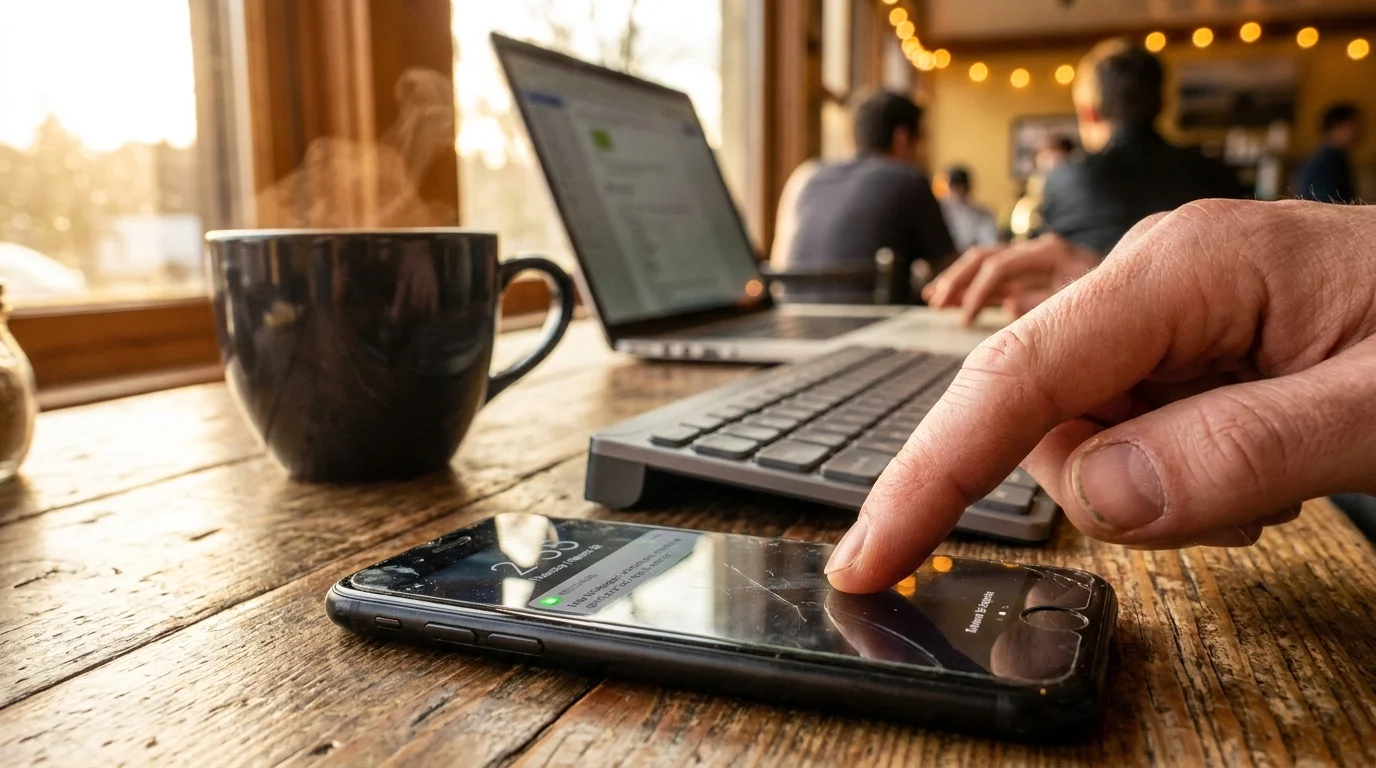
The afternoon sun cuts harsh across your dashboard, illuminating every fleck of dust settled into the dashboard seams. You sit idling at a red light just off Interstate 4, your thumb resting against a cracked smartphone glass screen displaying an urgent unpaid toll notification over a steering wheel. The message arrived with an audible snap of the phone’s speaker: a final notice claiming your SunPass account carries an overdue balance of $4.85, accompanied by an ominous warning of immediate suspension and a fifty-dollar late penalty if left unpaid before midnight.
Your pulse jumps just enough to bypass your usual skepticism. After all, you navigated three turnpike gantries earlier that morning, the windshield transponder chiming faintly as you swept beneath the overhead steel trusses. The math feels plausible, the timing borders on clairvoyant, and the sheer irritation of a minor bureaucrat fine nudges your index finger toward the embedded blue link. In that fraction of a second, your instinct is not careless; it is simply tired.
What appears on your screen seconds later looks immaculate. The color palette mirrors the clean citrus shades of the official state highway portal, right down to the tiny padlock icon nestled in the browser bar and the crisp sans-serif font requesting your license plate number and cardholder details. But beneath that familiar veneer lies an empty mirror—a counterfeit payment clearinghouse built to drain unmasked debit and credit lines before your vehicle finishes clearing the intersection.
The Anatomy of Artificial Friction
Modern highway toll fraud does not rely on sophisticated code vulnerabilities; it relies on manufactured psychological momentum. Scammers understand that the open road creates cognitive blind spots. When you pass through an electronic gantry at 70 miles per hour, you surrender physical accounting to an invisible radio frequency, trusting that remote sensors and billing servers handle the ledger in silence.
Smishing rings exploit this invisible transaction by inserting a counterfeit toll collector directly into your palm. They mimic the mechanical authority of the state using a weaponized domain naming structure. Instead of directing you to the authentic sunpass.com, these messages route traffic through layered subdomains such as sunpass-toll-service.live, sunpass-invoice-pay.top, or floridaturnpike-toll-violations.com. By inserting hyphenated operational terms like ‘portal’, ‘pay’, or ‘services’ between the brand and disposable top-level domains, scammers bypass casual visual inspection. Your eyes recognize the root keyword and discard the rest of the string as routine administrative jargon.
- Google Pixel Adaptive Connectivity toggles stop rapid battery bleed across unstable cellular antennas
- Tom Hanks deepfake likeness contracts enforce absolute digital bans against unauthorized voice clones
- Twitch Partner Plus subscription splits spark sudden creator walkouts over aggressive payout caps
- Astra Space rocket launch contracts derail forcing abrupt commercial pivots toward satellite thrusters
- Ray-Ban Meta smart glasses expose sudden thermal cutoffs under scorching outdoor sunlight
The Cost of Urgency: A Fleet Dispatcher’s Lesson
Marcus Vance, a forty-two-year-old regional logistics coordinator based out of Orlando, watched this trap snap shut across three company vehicles in a single week. Managing a dozen light-duty vans running regular deliveries along the Florida Turnpike, Marcus received nearly identical text alerts on his personal phone just hours after reviewing the company’s weekly transponder logs. The messages matched real-world toll corridors right down to the regional terminology.
When Marcus typed a payment card number into what appeared to be an expedited settlement form, he was not being reckless—he was attempting to protect a driver’s clean licensing record. Within ninety minutes, fraudulent charges pinged his checking account from an overseas merchant terminal. The incident revealed a sobering reality: state toll authorities never collect routine transponder debts via unsolicited, hyperlinked text messages. Transponder accounts are tethered to pre-funded digital balances or mailed administrative invoices, never sudden, text-triggered card swipes.
Dissecting the Smishing Network Across Toll Corridors
The campaign targeting SunPass is not an isolated breach; it represents a coordinated, interstate assault on drivers traveling through New York, Pennsylvania, Texas, and Georgia. Whether the message invokes SunPass, E-ZPass, or TxTag, the structural mechanism remains consistent across state lines.
For the Daily Commuter
If your transponder chirps twice a day during regular morning and evening commutes, your mind naturally categorizes toll debts as routine maintenance. Scammers count on this habituation. They cast broad cellular broadcast nets over area codes flanking major interstate arteries, ensuring that a significant percentage of recipients actually crossed a toll plaza that morning. If you fall into this group, treat any out-of-band communication claiming an immediate balance deficit as an automated clerical error, not an emergency.
For the Rental Driver and Highway Visitor
Out-of-state drivers represent the most vulnerable demographic. If you rented a compact sedan at an airport counter and wound your way down coastal highways, you already harbor anxiety about rental agency toll processing surcharges. When a text appears citing an unlinked plate balance, it sounds entirely legitimate. Counterfeiters capitalize on this uncertainty, knowing out-of-town visitors have no intuitive sense of local toll billing protocols.
Mindful Interception: Configuring Your Mobile Shields
Neutralizing these deceptive messages requires setting mechanical boundaries inside your device operating system. Instead of relying on manual willpower when distracted at a stoplight, use native filtering toggles to quarantine unknown senders entirely.
Activating these filters creates a silent digital boundary between verified contacts and unsolicited commercial traffic. Once enabled, incoming messages from numbers outside your address book bypass your lock screen, landing in a separate folder where their visual urgency vanishes.
- On iOS (iPhone): Open Settings > Messages. Scroll down to the message filtering section and toggle Filter Unknown Senders to the on position. This organizes unverified incoming texts into a dedicated tab inside your Messages application and silences push banner warnings.
- On Android (Google Messages): Tap your profile icon in the upper right corner of the Messages app, open Messages settings, navigate to Spam protection, and ensure Enable spam protection is active. Pair this by selecting Notifications > Notification categories > Spam protection and setting the alert tone to silent.
- The Manual Cross-Check Habit: Never interact with payment links embedded inside shortcodes or random ten-digit mobile numbers. If an alert sparks genuine concern, open an independent browser window, navigate directly to your established account portal, and review your balance from within your authenticated profile.
The Clear Road Ahead
Reclaiming your balance behind the wheel comes down to understanding that true administrative services do not panic. State highway infrastructure moves at the measured pace of official records, verified mailings, and stable account dashboards. The chime of an urgent financial demand arriving over cellular airwaves is not an indictment of your driving record—it is merely noise masquerading as authority. When you refuse to give that hurried vibration your attention, you protect your hard-earned assets and return your focus to the asphalt unrolling ahead of you.
Real toll authorities bill through physical windshield transponders and postal mail; urgency arriving via SMS is almost universally a sign of an empty hook.
| Key Point | Detail | Added Value for the Reader |
|---|---|---|
| Domain Manipulation | Use of spoofed subdomains (e.g., .top, .live, hyphenated brands) | Helps you spot fake URLs instantly before entering credentials |
| Native OS Filtering | Built-in spam filters on iOS and Android | Silences predatory messages without installing invasive third-party apps |
| Verification Route | Direct access via registered accounts or verified hotlines | Eliminates the anxiety of unpaid highway fines safely |
Frequently Asked Questions
Does SunPass ever send text alerts regarding unpaid toll balances?
Authentic toll authorities typically communicate account status issues via verified email notifications to registered users or physical invoices delivered to the vehicle’s registered mailing address. Routine, high-urgency SMS demands with clickable payment links are not legitimate state billing methods.What should I do if I already clicked the link and entered my card number?
Contact your financial institution immediately to lock or cancel the compromised payment card. Monitor your checking or credit statement for micro-authorizations, and request a replacement card with a newly generated security code and account number.Why did I receive an unpaid toll alert if I do not own a car or drive on toll roads?
These scams rely on mass automated smishing operations. Fraud rings blast text messages across vast sequential telephone number blocks without knowing whether the recipient owns a car, holds a driver’s license, or lives anywhere near the named state.How can I confirm if my SunPass actually has an unpaid violation?
Open a web browser, type the official address directly (such as sunpass.com), and log into your account dashboard. You can also contact customer service using the telephone number printed on the back of your physical transponder tag.Can these smishing messages infect my phone simply by opening the text?
Opening the text message itself will not install malicious software on modern operating systems. The danger arises when you click the embedded link, visit the spoofed payment portal, and manually submit personal identity numbers or banking credentials.