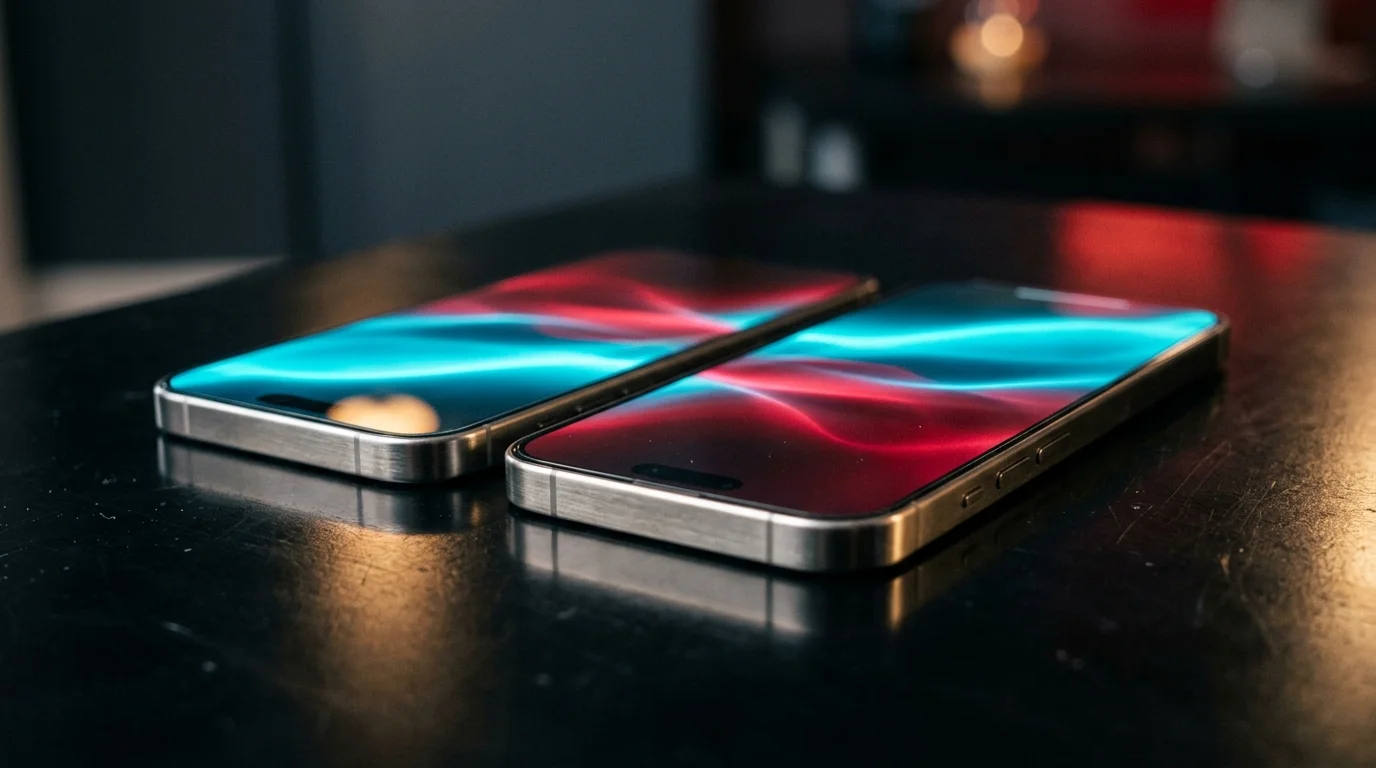
Verizon will charge customers $10 per month to use Apple’s new iPhone Handoff feature, a system introduced in iOS 27 that allows a single phone number to be shared across two separate iPhones. The carrier confirmed the pricing in its October 16 announcement for the iPhone Duo, noting that support is “coming soon” for compatible devices on its 5G network, according to MacRumors and 9to5Mac.
The $10 monthly add-on makes Verizon the most expensive confirmed carrier option for the feature so far, costing twice as much as rival T-Mobile’s $5 monthly fee. While Verizon confirmed the price and basic device compatibility—specifically naming the iPhone Duo and iPhone 18 Pro models—the company did not provide a specific launch date or offer a technical or business rationale for the $10 monthly charge.
How iPhone Handoff Works in iOS 27
First previewed at WWDC and detailed further during Apple’s “Surprise and Shine” event in September, iPhone Handoff is designed for users who own and carry two iPhones but want to maintain a single phone number. Unlike Apple’s longtime macOS and iPadOS Continuity feature of the same name—which passes app tasks between nearby Apple devices—this new cellular feature manages active phone line status between a primary iPhone and a companion iPhone running iOS 27.
There is some nuance in how outlets describe the way the line is shared across hardware. According to The Verge, the feature allows users to keep their number active on two iPhones at the same time so they can easily switch between them; when a user unlocks the secondary phone, the number becomes active on that device for incoming calls and Find My tracking. Meanwhile, MacRumors reports that while users can switch between a main iPhone and a companion iPhone at will, a phone number can only be active on one iPhone at a time, citing Verizon’s statement that customers can “switch active status between devices at any time while keeping full access to Verizon’s 5G network.”
- Moonshot AI Launches Kimi Credit Card Tying Consumer Spending to AI Quotas
- FTC Subpoenas OpenAI and Anthropic Over AI Agent Safety Incidents
- Researchers Exchange Messages With Rogue AI Agents Probing Alibaba’s Amap
- AWS Adds Meta’s 816B-Parameter Muse Spark Open AI Model to SageMaker JumpStart
- Kroger to Cut 3,000 Corporate Jobs Over 3 Years Amid AI Expansion
In practice, the feature eliminates the need to manually transfer an eSIM through iOS settings every time a user swaps hardware. Unlocking the dormant handset shifts the cellular routing and location services to the device currently in hand.
The Target Audience: iPhone Duo and Multi-Phone Users
Apple introduced iPhone Handoff alongside the iPhone Duo, a device that transitions from a medium-sized handset into a larger format. Because the iPhone Duo is heavier, bulkier, and features downgraded camera hardware compared to Apple’s flagship slabs, Handoff gives owners a way to swap back to a standard iPhone for photography or lighter weekend carry without managing two phone numbers or triggering manual eSIM provisioning.
Verizon explicitly highlighted this hardware pairing in its announcement, stating that the feature gives customers the flexibility to use the iPhone Duo on the go or an iPhone 18 Pro for work. As noted by The Verge, the feature also targets users who prefer to keep separate personal and work devices—each configured with its own apps, notifications, and settings—without paying for two full voice lines, provided their employer does not already mandate a separate corporate-managed phone number.
Carrier Pricing and Support Compared
Because iPhone Handoff relies on network-level provisioning to switch active line status between two hardware eSIMs, carrier support is mandatory. Across the United States and Europe, major telecom providers have taken sharply different approaches to supporting and pricing the capability:
- Verizon (US): Confirmed at $10 per month on compatible iPhones running iOS 27. Support is listed by Verizon as “coming soon,” while Apple previously stated Verizon would adopt the feature before the end of 2026.
- T-Mobile (US): Currently live and supported at $5 per month, half the cost of Verizon’s planned fee, according to 9to5Mac.
- AT&T (US): Has no imminent plans to support iPhone Handoff. When asked about the feature in September, AT&T acknowledged its potential benefits but stated it remains focused on its existing eSIM activation and transfer options.
- EE (UK): Confirmed it will soon support the feature for £5 per month, though customers subscribed to EE’s Full Works Plus plan will receive iPhone Handoff at no extra cost.
- Deutsche Telekom (Germany): Supports the feature now through its existing MultiSIM service, which costs €6.95 per month unless already bundled at no extra charge in the carrier’s MagentaMobil L and XL plans.
For American iPhone owners, the fragmented carrier rollout means the convenience of instant device swapping carries an ongoing subscription cost of $60 to $120 per year on T-Mobile and Verizon, while AT&T customers must continue relying on manual eSIM transfers through iOS settings.
Frequently Asked Questions
When will Verizon launch iPhone Handoff, and why does it cost $10?
Verizon has not announced a specific launch day or explained why its $10 monthly fee is double T-Mobile’s $5 charge. In its October 16 announcement, Verizon only stated that support is “coming soon,” whereas Apple previously indicated that Verizon would roll out support before the end of 2026. Verizon also has not disclosed whether any premium unlimited plans will bundle the feature for free, as EE and Deutsche Telekom have done in Europe.
Which iPhone models are compatible with Verizon’s iPhone Handoff?
Verizon’s announcement specifically confirmed compatibility with the iPhone Duo and the iPhone 18 Pro models, noting that devices must be running iOS 27. Neither Verizon nor the current reports specify which additional iPhone models beyond those named handsets will qualify at launch.
What happens when you switch between two iPhones using Handoff?
After designating one device as the main iPhone and configuring Handoff on the secondary iPhone, unlocking the inactive phone switches active status to that handset. That device then handles cellular calls, 5G network access, and Find My location services for the shared phone number.